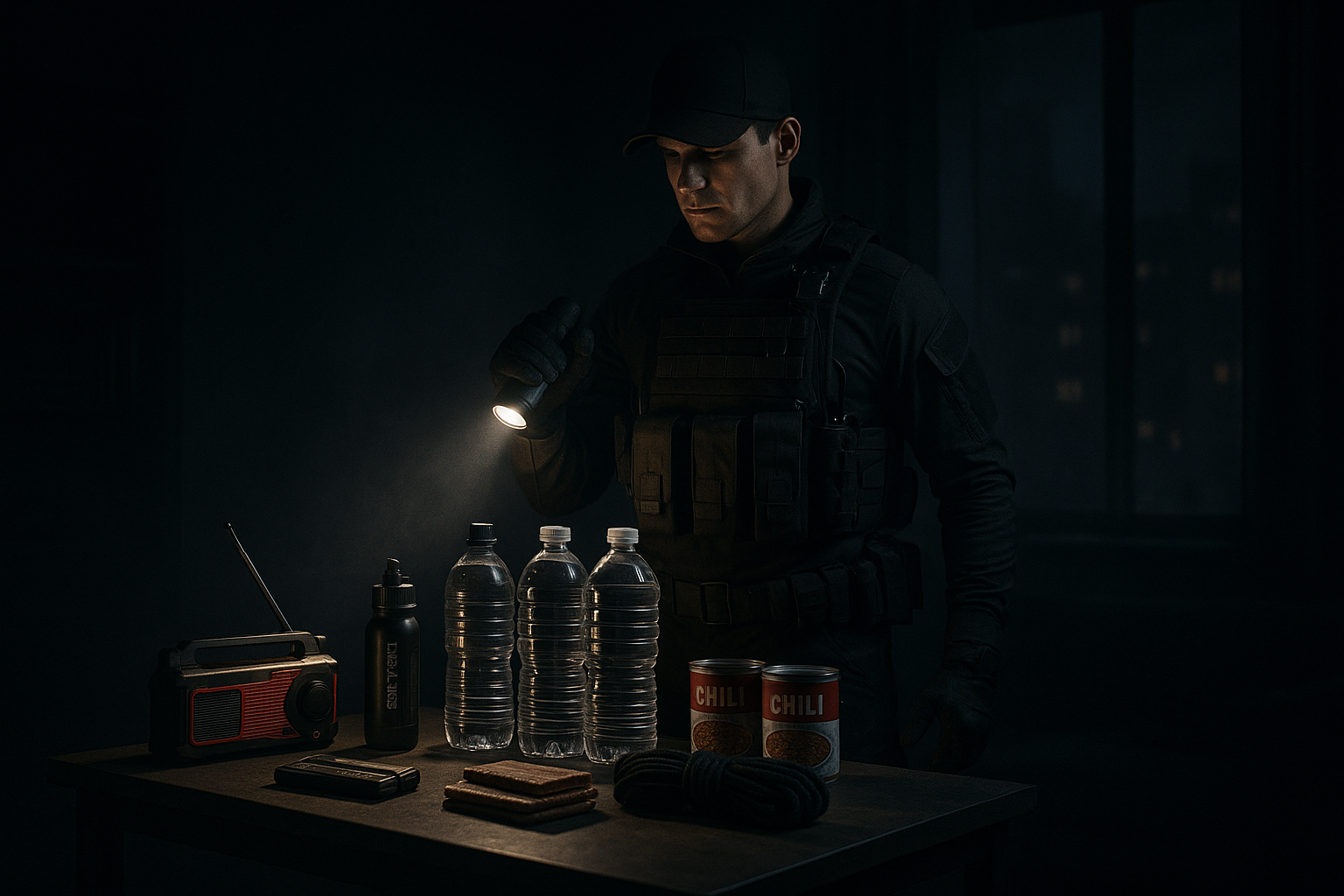
When the power goes out in the city, life can quickly become challenging. From traffic lights and cell towers shutting down to water systems failing, urban blackouts disrupt daily essentials. To stay safe and prepared, you need reliable tools for power, water, food, communication, and safety. Here’s a quick guide to the most important gear you’ll need:
- Power & Light: Solar-powered chargers, LED flashlights, and hand-crank devices to keep your devices running and spaces lit.
- Water: Portable water filters, collapsible storage bags, and off-grid water generators for clean drinking water.
- Food & Cooking: Shelf-stable food kits, manual openers, and safe indoor cooking tools like alcohol stoves.
- Communication & Safety: Emergency radios, multi-tools, personal alarms, and protective gear to stay connected and secure.
Preparation is key. Stock up on durable, multi-purpose gear that fits your space and ensures you’re ready for blackouts of any length. Don’t wait - start building your urban survival kit today.
This is the BLACKOUT ESSENTIALS kit you need
Power and Light Gear
When the lights go out, it's key to have good tools to keep your tech up and brighten your space. With the right gear, you can keep in touch and move safe in the dark.
Handheld Power Stores
A big power store can save the day when the lights stay off for long. These items are great for keeping your phone and other small must-haves full of power. Some new types even have sun power, quick betters-up, and fast charge, making them even more useful.
Sun-run choices are extra helpful, as they get power back in sun time. Small ones might just give a short help, yet big ones or even many power stores are best for long no-power times. Find ones that mix sun power with fast charge to be sure you have steady power.
LED Lights and Safe Light Holders
LED lights you can charge again are a must in any safe kit. They're not just more bright but also use less power. You can change how bright they are to save power when you can or go full bright for signs or moving in the dark.
To light big spots, LED light holders are best. They light up whole rooms, making it easy to do things like cook or clean after the sun goes down. Many types can charge in many ways, like USB and sun power. If you need your hands free, head lights are great, and many have a red-light way to keep night sight.
And for times when you can't charge up, having a hand-run choice is key.
Hand-run Chargers
Hand-run chargers are a sure back-up when there's no other power. These tools make power by your moving them, giving just enough to keep need-to-have items going.
Many hand-run chargers can do more than one thing, acting like lights, radios, and USB chargers. While turning the handle takes some work, a short go can give enough power for emergency lights or radios for key news. Mix types that use both sun and hand power are also good to think about. Go for tough, water-safe builds for more trust.
Water Cleaning and Keeping
When the power is out, it is key to have clean water. Good cleaning and keeping steps can stop a small problem from becoming a big one. Use good water tools with your power and light tools to be ready for surprises.
Small Water Cleaners
Small water cleaners are a big help when there is no electricity. They clean water from rain, city water, or rivers without using power. By taking out bad tiny living things and dirt, they make water safe to drink, even when it is hard.
Soft Water Holders
Soft water holders are a smart choice for keeping emergency water without using much room. These small bags are easy to keep when you don't need them and are good for holding water safe and easy to get when the lights go out.
Water Makers without Power
When you can't get water the usual way, Air Water Makers (AWMs) are a new choice. These tools pull water from the air and clean out dirt to make clean drinking water. AWMs work best when it is wet, but they can be a good back-up in city places.
It's key to say that AWMs usually need power. But some kinds run on different energy, making them good for long no-power times. For example, AgentXSurvival's Aqua Tower makes water without needing city systems.
It's interesting that Americans spend a lot of money on bottled water and throw away over 35 billion plastic bottles each year. AWMs not only give a lasting choice but also cut down on using plastic once, making them a green pick for emergency plans.
Need for Food and Ways to Cook
Once you have power, light, and water set, the next thing to think about during a city blackout is the right food and cooking tools. Foods that last a long time and simple cooking tools are key to keep you going when the easy ways are not around.
Last-Long Food Kits
Get foods that stay good without being cold. Some good picks are dried meals, canned stuff like beans, soups, and veggies, and also Meals Ready to Eat (MREs) with heaters that don't need flame. You can also count on protein bars, nuts, dried fruits, crackers, and peanut butter for fast, bold snacks. Keep these in a cold, dry place and look at them now and then to swap out any that are about to go bad.
Hand Cooking Tools
When there's no power, hand tools are your best pals in the kitchen. A hand can opener is a must to open canned foods. Small camp stoves or alcohol stoves can give a safe heat source - just make sure to use them where the air moves well.
For pots and pans, things like cast iron pans and steel pots work well and can take heat from many kinds of fire. Don't skip simple tools like sharp knives, cutting boards, and cups for measuring. Heat-safe tools made from silicone can also make cooking easy and safe when the lights are out.
Safe Inside Cooking Fuels
Picking the right fuel to cook inside is big for safety. Clean fuels like denatured alcohol and small cans of Sterno fuel are smart choices. Butane cans are another good pick, mainly with small stoves, as long as there is good air flow.
Do not use charcoal or propane inside, as they can make dangerous gas. If you use a wood stove, make sure it’s in a spot with lots of air or use it outside. Always keep fuels safe and check cans for any damage before use. Right storage and careful use can stop bad things from happening and keep your home safe in a tight spot.
sbb-itb-1666494
Communication and Safety Tools
When urban blackouts hit, staying connected and ensuring personal safety become top priorities. These situations can quickly descend into chaos, making it difficult to receive updates or call for help. Having the right tools can mean the difference between staying informed and being left in the dark. These tools not only keep you updated but also prepare you to handle emergencies, complementing the rest of your urban blackout kit.
Emergency Radios
An emergency radio is a must-have when cell towers go down. Hand-crank and solar-powered models are particularly useful since they don’t depend on electricity or disposable batteries, which may not be available during a blackout. Many of these radios also come with built-in LED flashlights, offering added versatility.
Choose a radio that can pick up NOAA weather alerts and AM/FM stations. Weather alerts keep you informed about incoming storms or other dangers, while local stations provide updates on power restoration and emergency services. Some advanced models even include shortwave bands, allowing you to access signals from distant sources if local broadcasts are down.
"Emergency communication tools: Compact radios to stay updated on weather and emergency alerts or signal devices like whistles to gain attention in noisy environments." - Blue Alpha Web Staff
Multi-Tools and Signal Devices
A reliable multi-tool should be part of your kit. These versatile tools often include pliers, screwdrivers, and knives, making them invaluable for quick fixes or survival tasks. Pair this with a whistle that doesn’t require batteries - an essential for attracting attention in noisy urban environments. Whistles are durable and capable of cutting through the din of a chaotic blackout, ensuring you can signal for help if needed.
Personal Safety Gear
In addition to communication tools, personal safety gear is critical during urban blackouts, which often bring unpredictable risks. Protective gloves are handy for dealing with broken glass or debris, while an N95 mask can shield you from smoke or dust during emergencies. Personal alarms, which emit a loud sound when activated, are another practical addition. These compact devices can deter potential threats and alert others to your distress.
"Personal Alarms: These compact devices emit a loud sound when activated, attracting attention and potentially scaring off an assailant. They are designed to alert others to your distress and can be easily carried on a keychain or in a pocket." - Guard Dog Security
A basic personal alarm with a 120dB output costs about $8.99, making it an affordable backup when traditional communication methods fail.
For added protection, consider pepper gel. Unlike standard pepper spray, the gel is less likely to blow back in windy conditions and offers a longer range. Small LED personal lights that attach to your clothing can also be a lifesaver, increasing your visibility in dark, crowded streets and enhancing your safety during nighttime navigation.
AgentXSurvival: Your Urban Blackout Resource Hub
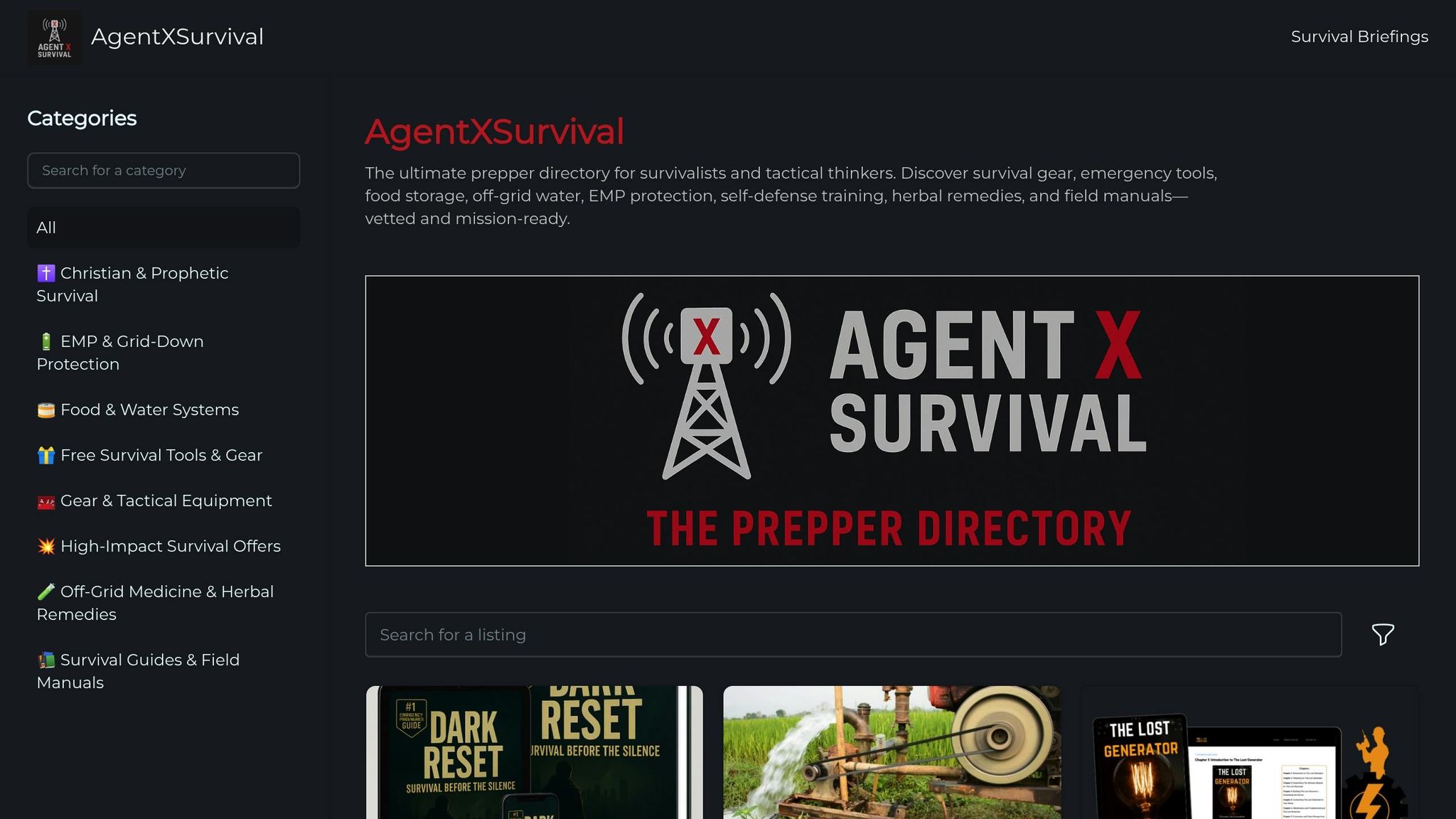
AgentXSurvival is your go-to platform for navigating urban blackouts with confidence. When the lights go out in the city, having access to reliable resources and proven tools can mean the difference between staying prepared and struggling to get by. This hub serves as a trusted directory for preppers, offering gear and strategies tailored to extended urban outages.
The platform covers all the essentials - power, water, communication, and safety gear - designed specifically for the challenges of dense urban environments. AgentXSurvival focuses on practical, tested solutions to help you maintain self-reliance when city infrastructure falters.
Power Independence
A key focus of AgentXSurvival is ensuring you can generate and maintain power during blackouts. The directory includes guides for both ready-made products and DIY solutions to keep your devices running when the grid fails. For instance, the Lost Generator system provides step-by-step instructions for building a thermal power generator that doesn’t rely on external electricity sources.
Water Security
Urban water systems are often among the first to fail during extended outages, leaving residents vulnerable. AgentXSurvival addresses this with practical solutions, like the previously mentioned Aqua Tower, which enables off-grid water generation. These resources are designed to help you secure clean water even in the harshest conditions.
Comprehensive Survival Systems
AgentXSurvival stands out by offering interconnected survival resources that go beyond the basics. Their directory includes:
- Tactical gear and essential tools
- EMP and grid-down protection strategies
- Long-term food storage systems
- Off-grid medical solutions, including herbal remedies
These systems are designed to work together, providing a holistic approach to surviving urban blackouts.
Personal Security and Training
Urban blackouts often bring unique safety challenges. AgentXSurvival addresses this with resources for personal security, including combat training systems, Krav Maga techniques, and urban-specific survival tactics. These tools and strategies are tailored to help you navigate the heightened risks that come with infrastructure breakdowns.
DIY Solutions for Urban Living
For those who prefer a hands-on approach, AgentXSurvival offers detailed DIY guides that make it easy to create customized survival systems. These guides include clear diagrams and step-by-step instructions, making even complex projects approachable for beginners while still offering advanced options for experienced preppers. Best of all, the solutions are designed to fit into typical urban living spaces, ensuring practicality for city dwellers.
AgentXSurvival also incorporates faith-based strategies, such as the Dark Reset survival blueprint, for those seeking a spiritual approach to resilience. Whether you’re looking for ready-made tools or prefer to build your own systems, this platform equips you with the knowledge and resources to face urban blackouts with confidence.
Conclusion: Staying Prepared for Urban Blackouts
Preparing for urban blackouts means assembling a kit that’s practical and reliable, while also cultivating the mindset needed to maintain self-reliance for up to 10 days.
The key is to plan ahead - don’t wait for an emergency to start gathering supplies. Blackouts often leave people scrambling for essentials like portable power banks, LED flashlights, water filters, and shelf-stable food. Stock up on these items when shelves are full and prices are stable.
Urban settings come with their own set of challenges. Limited storage, crowded living spaces, and heightened security concerns mean your gear needs to be compact, efficient, and versatile. Whether you’re in an apartment or a small home, focus on tools and supplies that can serve multiple purposes without taking up too much space.
Be ready for blackouts of varying lengths, from just a few hours to several weeks. Build redundancy into your plans for power, water, and cooking to ensure you’re covered no matter the situation. Prioritize durable, high-quality gear over cheaper options - you’ll thank yourself when it matters most. Your level of preparation directly impacts your safety and comfort during a blackout.
For expert tips and trusted gear recommendations, check out AgentXSurvival. Taking this step can help you solidify your plans and boost your urban resilience. The time to prepare is now.
FAQs
When preparing for an urban blackout, having a survival kit ready can make all the difference in staying safe and comfortable. Here are some key items to include:
- Radio: A battery-powered or hand-crank radio to keep up with emergency updates.
- Light sources: Flashlights with extra batteries or rechargeable options.
- Food and water: Non-perishable food and enough bottled water - aim for at least one gallon per person per day for several days.
- First aid kit: Essential for handling minor medical issues.
- Emergency lighting: Items like candles, lanterns, or glow sticks.
Additionally, consider adding portable power banks or solar chargers to keep devices running, warm clothing or blankets for cold weather, and basic sanitation supplies. By assembling these essentials in advance, you'll be better equipped to face unexpected power outages with peace of mind.
During a prolonged power outage, ensuring access to clean drinking water is a top priority. Start by storing enough bottled water - about one gallon per person per day is a solid guideline. This ensures you have a safe supply for drinking, cooking, and basic hygiene.
For extended outages, portable water filtration systems can be a lifesaver. Options like gravity-fed or pump filters are great for removing harmful contaminants from sources such as tap water or even urban waterways. These tools are compact, easy to use, and highly effective in emergency situations.
If you don’t have access to filtration tools, boiling water is a reliable alternative. Simply bring the water to a rolling boil for 1–3 minutes (adjusting for higher altitudes) to kill bacteria and viruses, making it safe for consumption. To stay ahead of emergencies, it's worth investing in purification tablets or a dependable filtration system as a backup. Planning ahead can make all the difference.
When cooking indoors during a power outage, keeping safety front and center is crucial. Stick to cooking tools that are specifically made for indoor use, like canned heat or propane stoves. Make sure the area is well-ventilated to prevent dangerous fumes, such as carbon monoxide, from building up. Avoid using unvented combustion devices, like kerosene heaters, inside your home under any circumstances.
Always have a fire extinguisher close by, and keep a close eye on your cooking equipment - never leave it unattended. Taking these steps will help ensure you can prepare meals safely during a blackout.