When the power grid goes down, life can change fast. Clean water, reliable power, and food become your top priorities. Communication and personal safety also demand attention. Here’s a quick breakdown of what you need to prepare:
- Water: Store at least one gallon per person per day. Use portable filters, gravity-fed systems, and food-grade storage containers to secure clean water.
- Power: Solar generators, portable power stations, and high-capacity power banks can keep essential devices running. DIY options like the Lost Generator provide fuel-free alternatives.
- Food: Stock up on freeze-dried meals, canned goods, and dry goods stored in Mylar bags. Use off-grid cooking tools like propane stoves or wood-fired options.
- Communication: NOAA weather radios with hand-crank or solar charging, two-way radios, and signaling tools like whistles and mirrors can keep you informed and connected.
- Safety: Equip yourself with tools like pepper spray, fixed-blade knives, and self-defense options like firearms or non-lethal alternatives.
- DIY Solutions: Build systems like the Aqua Tower to generate water and prepare natural remedies for off-grid healthcare needs.
Start with the essentials - water, power, and food - and expand to communication and safety tools. Practice using your gear to ensure you’re ready for any situation.
8 Items You Need To Survive A Grid Failure Or Power Outage!
Core Survival Needs in Grid-Down Situations
When the power grid goes down, the essentials - water, power, and food - become your lifeline. These three elements are deeply interconnected, forming the foundation of any solid emergency preparedness plan. Let’s break down how to secure each one effectively.
Water: Filtration and Storage
When electricity fails, municipal water systems can stop functioning in just a few days, making clean water your top priority. Aim to store at least one gallon per person per day for drinking, with additional reserves for cooking, hygiene, and cleaning.
To ensure access to safe water, consider these options:
- Portable filters: Compact and easy to carry, these are great for treating water from streams or lakes, removing bacteria and protozoa.
- Gravity-fed systems: Ideal for larger households, these systems can handle higher volumes of water efficiently.
- Storage containers: Use food-grade containers and store them in a cool, dark place. Regularly rotate your water supply to keep it fresh.
Having multiple filtration methods and a reliable storage system can make all the difference when clean water is scarce.
Emergency Power Solutions
Keeping essential devices powered is critical during an outage. Off-grid energy options like solar generators, portable power stations, and high-capacity power banks can keep your communication tools, medical equipment, and refrigeration running when the grid is down.
For those who like a hands-on approach, DIY solutions can also be useful. For example, the Lost Generator - featured on AgentXSurvival - uses natural temperature differences to generate electricity, offering a fuel-free alternative.
To make the most of your power resources, focus on essentials first. Calculate how much energy you’ll need for critical items like water filtration systems, communication devices, and medical equipment. Once those are covered, you can address other needs like lighting or small appliances.
Food Storage and Preparation
Food security during a prolonged outage requires both a robust supply and the means to prepare meals without modern appliances. Stock up on:
- Freeze-dried meals: These have a long shelf life and only need hot water to prepare.
- Canned goods: Ready to eat and packed with nutrients, they’re a no-fuss option.
- Proper storage: Use Mylar bags or food-safe containers to protect dry goods from moisture and pests.
Cooking without electricity is another challenge, but there are plenty of alternatives. Propane stoves, multi-fuel burners, and wood-fired stoves are all reliable options for off-grid cooking. For fresh produce or other perishables, a root cellar or similar cool storage area can help extend their shelf life without refrigeration.
Communication and Safety Tools
In grid-down situations, staying connected and ensuring personal safety are top priorities.
Emergency Radios and Signaling Devices
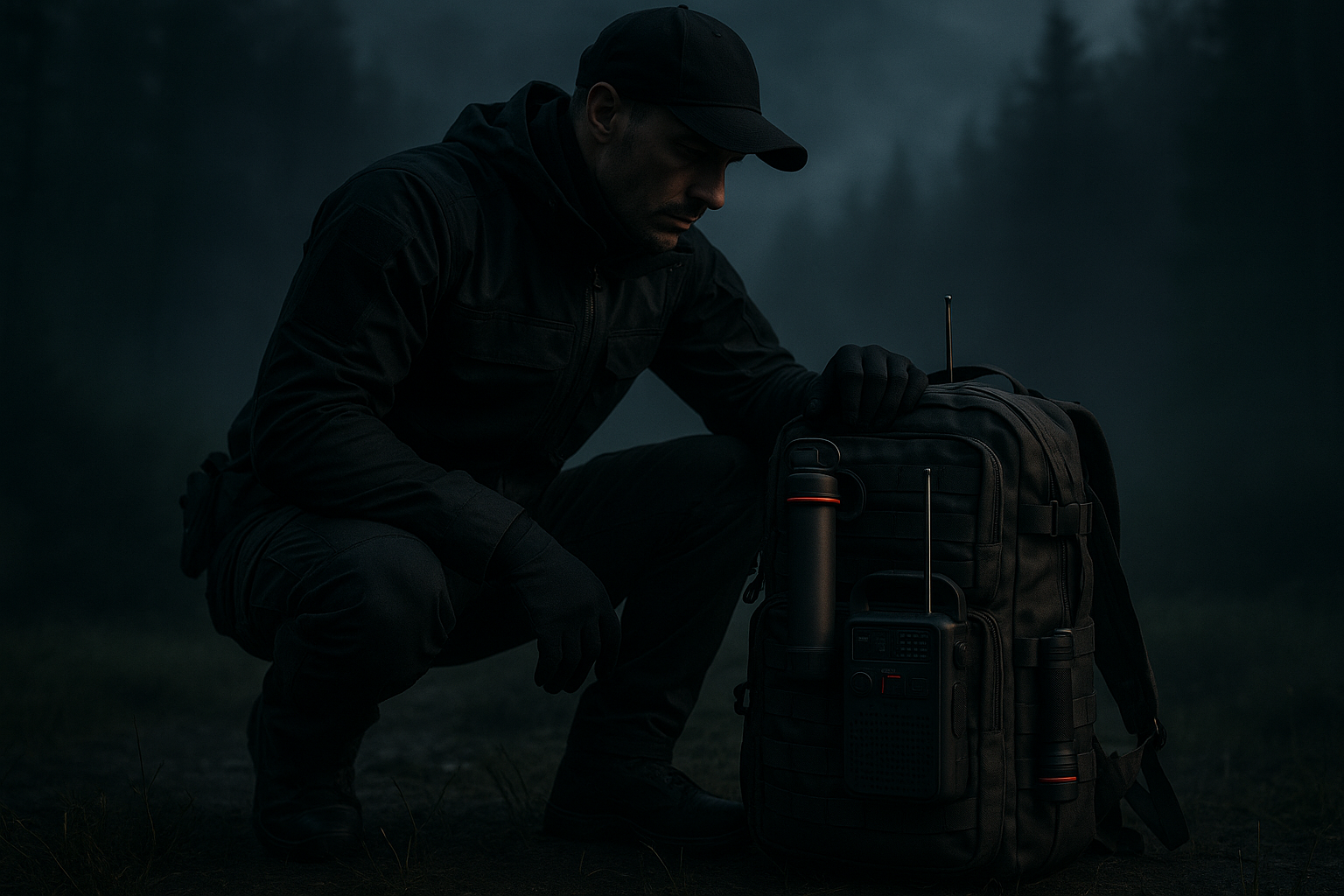
A NOAA weather radio can be a lifeline, delivering official updates from the National Weather Service. Look for models with SAME technology, which allows for location-specific alerts. Radios with hand-crank and solar charging features, along with USB ports for powering small devices, are especially useful. For two-way communication, FRS (Family Radio Service) radios are a simple, license-free option with a range of about 2 miles in open areas. If you need greater range, GMRS (General Mobile Radio Service) radios, which require a license, can extend communication up to 20 miles when paired with quality antennas.
For signaling, tools like storm whistles, signal mirrors, and emergency flares can make a significant difference in rescue efforts. A storm whistle generates over 100 decibels of sound, even in wet conditions. Signal mirrors can reflect sunlight to alert rescuers from up to 10 miles away on clear days. Meanwhile, emergency flares provide bright, long-lasting light that's visible from far distances.
But communication alone isn’t enough - you’ll also need to focus on security.
Security and Tactical Gear
In uncertain times, reliable self-defense tools are essential to safeguard yourself, your loved ones, and your property. Some key options include:
-
Firearms: Pistols, carbines, shotguns, and handguns are effective choices for personal and family protection. Pistols offer quick accessibility, while carbines and shotguns deliver greater stopping power.
-
Non-lethal tools: Pepper spray is a practical option to neutralize threats, whether from attackers or aggressive animals. For close-range protection, a baseball bat can be an effective alternative that doesn’t require specialized training.
-
Fixed-blade survival knives: These knives are versatile, serving both as tools for everyday tasks and as defensive weapons. Models like the ESEE Izula, TOPS Poker, TOPS El Pionero, and Off-Grid Knives are well-suited for cutting and protection. When choosing a knife, prioritize full-tang construction for durability and ensure the grip feels comfortable for extended use.
Having the right communication and safety tools can make all the difference when help isn’t immediately available. Equip yourself wisely to stay prepared.
sbb-itb-1666494
DIY and Advanced Preparedness Solutions
Expanding on water and power strategies, these advanced methods can take your preparedness to the next level. By diving into DIY projects and natural approaches, you can create reliable, long-term solutions for grid-down scenarios.
DIY Aqua Tower Water Generator
The Aqua Tower is a straightforward way to generate water off the grid without needing electricity or complicated machinery. This system works by condensing moisture from the air into drinkable water, using temperature differences to make it happen. It’s built with simple materials like PVC pipes, collection chambers, and insulation, making it an accessible project for most people.
What makes the Aqua Tower stand out is its ability to provide a steady, renewable water supply - even in areas where groundwater is scarce. With a step-by-step guide and basic tools, even beginners can assemble one. It’s compact, reliable, and a game-changer for water independence. But water isn’t the only concern in long-term outages - healthcare also becomes a critical focus.
Natural Remedies and Off-Grid Medicine
When modern healthcare services are unavailable, natural remedies and herbal medicine can step in as practical alternatives. These age-old solutions are especially useful for managing common health issues during prolonged disruptions.
Take oregano oil, for instance. Packed with carvacrol and thymol, it has strong antimicrobial properties and can be prepared as a tincture for both topical and internal use. Garlic and echinacea are also effective herbal antibiotics. For pain relief, fever reduction, and inflammation, willow bark - dubbed "nature's aspirin" due to its salicin content - can be brewed into tea or turned into a tincture. Turmeric serves as a natural anti-inflammatory, while calendula is excellent for wound care.
Building a natural medicine kit is all about proper harvesting, preparation, and storage. Dried herbs should be kept in airtight containers, away from light and heat, and can last up to two years. Tinctures made with high-proof alcohol can remain effective for three to five years. Essential oils like tea tree, lavender, and peppermint are also valuable additions - they can disinfect, promote sleep, and soothe digestive discomfort.
Although these solutions require some upfront effort and learning, they provide lasting security and independence. By mastering these DIY projects and natural healthcare practices, you’ll create sustainable resources that can see you through even the most challenging disruptions.
Summary and Quick Reference
When the grid goes down, having the right survival gear can mean the difference between getting by and truly staying safe and secure. The goal is to pick reliable, multi-purpose equipment that meets your essential needs without taking up too much space or breaking the bank.
Start with water. Reliable water filters like the LifeStraw Family or Sawyer Products MINI are excellent choices. If you're looking for a renewable option, consider the DIY Aqua Tower for ongoing water generation. Once your water supply is sorted, focus on power and food.
For power, portable solar panels and tools like the Lost Generator provide sustainable, fuel-free energy. With water and power handled, turn your attention to food security. Stock up on manual tools, off-grid stoves, and proper storage solutions like vacuum-sealed mylar bags and food-grade buckets to keep your supplies safe and fresh.
Stay connected with hand-crank emergency radios and two-way radios for clear communication in any situation. Protect yourself and your property with multi-tools and basic self-defense gear.
For off-grid health, natural remedies are invaluable. Keep essential oils, dried herbs, and tinctures like oregano oil, willow bark, and calendula in your kit to address common health concerns without relying on modern medicine.
The cost of preparing for a grid-down scenario depends on factors like your family size and the quality of the gear you choose. AgentXSurvival offers a range of tested and reliable products to help you get started. Begin with water and power essentials, then gradually expand into food, communication, and security.
Finally, don’t just buy the gear - learn how to use it. Regular practice ensures you’re ready when it matters most.
FAQs
To ensure access to safe water during a prolonged power outage, preparation is key. Begin by storing at least 1 gallon of water per person per day to cover drinking needs and basic hygiene. If you anticipate a longer outage, you might want to look into emergency water storage tanks or solar-powered water pumps to maintain a reliable water supply without relying on electricity.
For extra protection, consider using portable water filtration systems like gravity-fed filters or pump purifiers. These devices make it possible to safely drink water from your stored supplies or even natural sources like rivers or lakes if necessary. Having these tools on hand can provide peace of mind and help you stay independent during any extended power disruption.
To figure out how much power you'll need to keep essential devices running during a power outage, start by checking each device's wattage. You can usually find this information on a label or in the user manual. If the wattage isn’t listed but the amperage is, you can calculate it by multiplying the amperage by the voltage (typically 120V in the U.S.).
Once you know the wattage, estimate how many hours per day you’ll use each device. Multiply the wattage by the hours of use to get the total watt-hours (Wh) for each item. Add these totals together to determine your overall daily energy requirements. This calculation will guide you in selecting the right backup power option - whether it’s a generator or a portable solar system - to ensure your essential devices stay powered during an outage.
Including natural remedies in your off-grid first aid kit can be a practical way to address common health issues when access to modern medicine is limited. Here are some options worth considering:
- Echinacea: Known to support the immune system and help combat infections.
- Garlic: Packed with antibacterial and antiviral properties, making it a versatile choice.
- Aloe Vera: Perfect for soothing burns, minor cuts, and skin irritations.
- Peppermint: Can help ease headaches, nausea, and digestive troubles.
- Fennel: A natural aid for digestion, bloating, and cramps.
These remedies are simple to store and prepare, making them especially useful in survival situations. Always take the time to learn about proper dosages and applications to ensure safe and effective use.