When emergencies hit a city - whether it's natural disasters, civil unrest, or infrastructure failure - your ability to move quickly and safely can be a lifesaver. This guide focuses on practical strategies to navigate urban chaos, avoid threats, and stay safe. Here's what you'll learn:
- Situational Awareness: Spot danger early by staying alert and reading your environment effectively.
- Blending In: Use the "Gray Man Principle" to avoid standing out in crowds or attracting attention.
- Escape Techniques: Break visual contact, use crowds to your advantage, and plan multiple routes for emergencies.
- Appearance Changes: Simple tools like hats, reversible jackets, and glasses can disrupt tracking.
- Route Planning: Map out fast, discreet, and backup paths to bypass congested or dangerous areas.
- Gear Essentials: Carry low-profile items like cash, water, snacks, and a flashlight without drawing attention.
- Digital Evasion: Minimize your traceability by managing your digital footprint and avoiding surveillance systems.
Preparation is key - practice your routes, set family rally points, and familiarize yourself with hidden urban pathways. Staying calm and prepared can turn a chaotic situation into a manageable one.
How to Evade Danger and Escape Quickly When Chaos Erupts in the City
Situational Awareness: Building Your Foundation
Situational awareness isn't about being paranoid - it's about staying alert and noticing when something feels off before things escalate. In urban settings, this skill shifts from being a tactical advantage to something you rely on daily. The key to detecting danger early often lies in spotting the right cues.
In cities, it's easy to fall into routines, distracted by phones or lost in thought. But developing strong situational awareness means actively observing your surroundings, the people in them, and any unusual patterns that could signal potential threats. Here’s how you can put this into practice in real-world urban scenarios.
Spotting Pre-Threat Indicators
Pay attention to subtle but telling signs. For example, an awkwardly parked car with its engine running, vehicles positioned in ways that could block your escape, or individuals who seem to deliberately block your path or isolate you from a crowd. Identifying these warning signs early can give you the time you need to act before a situation worsens.
The Gray Man Principle
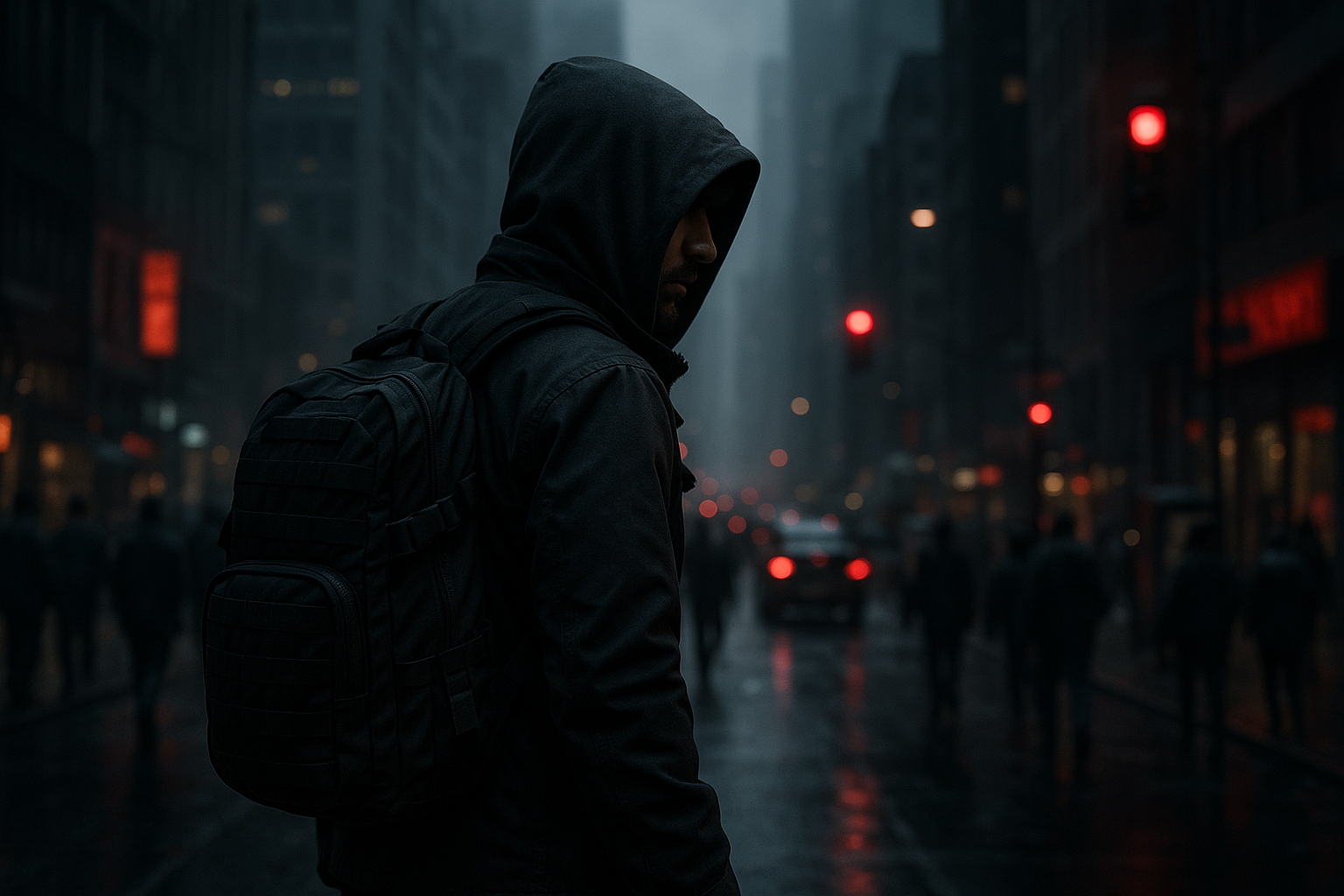
The Gray Man Principle is all about blending in. The idea is to avoid standing out in urban environments. Dress to match the local crowd - steer clear of bright colors, bold patterns, or tactical gear that might draw attention. Gear like tactical backpacks or cargo pants with numerous pockets can make you a target, especially during times of civil unrest, as they suggest you might be carrying valuable resources. Instead, opt for everyday items like a regular laptop bag and business-casual attire.
Your behavior should also align with your surroundings. Match the walking pace and demeanor of those around you. For instance, in a tourist-heavy area, adopting the relaxed, curious vibe of a tourist can help you blend in. In a business district, professional attire and a focused demeanor will make you less noticeable. The goal is to adapt to local norms and remain inconspicuous.
Reading Your Environment
To effectively read your environment, take a systematic approach to identifying both risks and opportunities. Start by analyzing the layout - note alleyways, subway entrances, lesser-used streets, and choke points like narrow alleys or tunnels with only one way in and out. These areas can leave you vulnerable to being cornered. On the other hand, spaces with heavy foot traffic and multiple exits tend to be safer options.
Watch for anomalies, such as someone moving against the flow of a crowd or groups acting in a coordinated way, as these can signal potential threats.
Stay mindful of your personal space by walking in the center of sidewalks and avoiding areas where threats could be concealed, like behind hedges or parked vehicles. This habit gives you a buffer and extra time to react if something happens.
It’s also a good idea to reassess familiar routes at different times of day. What feels bustling and safe during the day might turn quiet and risky at night. Over time, you’ll build a mental map that includes not just streets and buildings, but also areas to avoid, safe spots, and potential escape routes. When emergencies arise, this knowledge becomes a powerful tool, helping you act quickly and with confidence.
Breaking Visual Contact and Evasion Methods
Turning awareness into action is key when facing a potential threat. The moment you spot danger, your priority should be breaking visual contact and creating distance. Urban environments, with their crowds, buildings, and countless escape routes, offer plenty of opportunities - if you know how to use them effectively.
Breaking visual contact means stepping out of your pursuer's line of sight long enough to either escape or change your appearance and direction. In cities, success hinges on understanding your surroundings and moving decisively. These tactics build on situational awareness, giving you immediate tools to evade tracking.
Using Crowds and City Infrastructure
Crowds are your go-to ally when you need to vanish quickly. Busy streets or packed spaces make it nearly impossible for someone to keep track of you - especially if you blend in. The trick? Move naturally and avoid drawing attention.
Match the pace of the crowd. In a shopping district, act like a casual browser. In a business area during rush hour, walk with purpose like everyone else. Moving too fast or too slow will make you stand out.
Public buildings with multiple exits are perfect for misdirection. Enter through one door and leave through another. For example, shopping malls, office lobbies, hotels, or transit stations often have multiple entry and exit points. Once you're inside, a pursuer loses sight of you and has no way of knowing which direction you've taken.
Alleys and side streets can also work in your favor, but they come with risks. Before entering, check for a clear exit and ensure no one is blocking the path. Narrow spaces can become traps if someone is waiting at the other end.
Vertical movement is another effective trick. Stairwells in parking garages, subway stations, or buildings allow you to go up when someone expects you to go down - or vice versa. Underground passages, subway tunnels, and pedestrian walkways add layers of complexity, making it harder for anyone to predict your next move.
Direction Changes That Work
Linear routes are easy to follow, so sudden changes in direction can throw off anyone trailing you. Once you've broken visual contact, change direction multiple times over the span of a few minutes or blocks. This forces your pursuer to cover a much larger area.
The best time to change direction is when you're temporarily out of sight. Turn a corner, step into a building, or disappear into a crowd, and then shift your course. Don’t stop at just one turn - take several in quick succession. For instance, you could enter a building, exit through a side door, turn left, walk two blocks, then turn right. These unpredictable moves make tracking you far more difficult.
Zigzagging through city blocks is another effective strategy. This doesn’t mean running around randomly, which could draw attention. Instead, maintain a calm walking pace while taking unexpected paths. Use corners, parked cars, or street furniture to briefly break the line of sight, then change direction during those moments.
Public transit is another great option. Hop on a bus or subway, ride for a few stops, and then switch lines. This creates distance while keeping your movements low-profile. However, keep in mind that transit systems often have surveillance cameras, so this method is best for breaking immediate pursuit rather than evading long-term tracking.
If needed, noise diversions can also help. Knocking over objects or causing a small disturbance can pull attention away from your actual escape route. This works best in noisy areas where such actions won’t seem out of place.
Finding Hidden Urban Pathways
Every city has hidden routes that most people overlook. Service corridors, loading docks, parking garage exits, and building connectors can all be lifesavers when you're trying to evade someone.
The key is to scout these pathways during your everyday routine. Walk your usual routes at different times and make a mental note of alternative passages. Shopping malls often have service corridors leading to parking areas. Office complexes may include ground-level passages between buildings. Parking garages usually have multiple exits beyond the main entrance.
Stick to publicly accessible routes to avoid legal trouble. Building lobbies with multiple exits, public alleyways, and parking garages with street-level doors are all fair game. Be aware of operating hours, as some of these routes might be locked after certain times.
Service doors and loading docks are common in commercial areas, but using them requires good judgment. During business hours, delivery workers often use these entrances, making your presence less suspicious. However, be aware that these areas may have security cameras or monitoring. Use them only when breaking visual contact is more urgent than avoiding surveillance.
Underground pathways - like subway connections, pedestrian tunnels, or basement corridors - are another option. These keep you out of sight from street-level pursuers and often lead to multiple exits. The downside? Limited escape options if something goes wrong, and the likelihood of surveillance cameras.
To stay prepared, aim to have three route options from any regular location: a fast route for quick escapes, a covert route using secondary passages, and a chaotic route in case primary infrastructure is compromised. Practice these routes during your daily activities so you’re familiar with them. Walk through that parking garage exit, take those back stairs, or explore that building connector. When the time comes, you’ll know exactly where to go, moving confidently instead of hesitating or appearing lost. This kind of preparation is a cornerstone of effective urban evasion.
Rapid Appearance Modification
When it comes to urban evasion, it’s not just about where you go - it’s also about how you present yourself. Once you’ve broken visual contact, the next step is to alter your appearance. Even small changes to one or two distinctive features can reduce accurate identification by 40–60%. This works because human recognition relies heavily on pattern matching. Change the pattern, and you throw off your pursuer’s ability to track you effectively.
The goal isn’t to look like someone else entirely; it’s to become unremarkable. By combining strategic appearance changes with directional shifts, you can create multiple layers of disruption. In fact, making three or more simultaneous changes can reduce successful tracking by as much as 80–90%.
Basic Disguise Tools
The best tools for altering your appearance are simple, everyday items that blend into urban settings. Forget tactical gear - these items are practical, effective, and don’t draw unnecessary attention:
- Hats: A quick hat change can dramatically alter your head profile. Whether it’s a baseball cap, beanie, or wide-brimmed hat, this simple swap can confuse facial recognition patterns. Always have one on hand for instant use.
- Reversible jackets: Jackets with different colored linings are a game-changer. For example, a navy-blue jacket that reverses to gray offers two distinct looks, making it harder for someone to maintain a visual lock on you.
- Scarves and neck wraps: These versatile accessories can obscure facial features and change your silhouette. Experiment with different ways to wear them for maximum effect.
- Glasses: Both prescription and non-prescription glasses can alter how your face is perceived. Even clear-lens glasses work well, adding another layer of disguise.
- Layered clothing: By layering three or four items, you can adjust your apparent size and shape, creating multiple distinct looks. This approach follows the "gray man" principle - you look like someone casually dressing for the weather, not someone trying to hide.
Stick to neutral colors that match the environment. For instance, in a business district, go for business casual attire rather than tactical or overly casual clothing. The goal is to blend in, not stand out.
Best Locations for Changing Appearance
Where and when you change your appearance is just as important as how you do it. The most effective strategy is to make adjustments at natural transition points, where subtle changes won’t draw attention. Gradual modifications - like removing a hat, flipping a jacket, or adding a scarf - are far less noticeable than a sudden, dramatic transformation.
Here are some ideal locations for making these changes:
- Public restrooms: Found in cafes, restaurants, malls, and transit stations, these provide privacy for quick adjustments. Whether you need 30 seconds or a couple of minutes, they’re perfect for discreetly altering your look.
- Shopping malls: With multiple restrooms, exits, and bustling crowds, malls offer plenty of opportunities to change your appearance and blend back into the flow of people.
- Public transit stations: Subway terminals and bus stops are natural spots where people frequently adjust their clothing or accessories. Use these moments to your advantage.
- Cafes and coffee shops: These quieter spaces often have less-busy restrooms, giving you a chance to make subtle changes like swapping glasses or removing a scarf.
The key is to choose locations that allow you to blend into the crowd while offering quick entry and exit points. Each change should take no more than 30–60 seconds. If you need more time, opt for a public facility where lingering won’t seem unusual.
Adapting to Different Urban Environments
Your strategy should adapt to the area you’re in. In business districts, subtle tweaks like removing a blazer, switching ties, or adjusting glasses work well. In residential neighborhoods, swapping a hoodie for a t-shirt or changing a baseball cap can be effective. Tourist-heavy areas offer additional options - adding a camera or altering your backpack can help you blend in with the crowd.
It’s vital that your modified appearance aligns with the local dress code. Standing out too much can make you more memorable, which defeats the purpose. That’s why understanding the typical attire in different areas ahead of time is so important.
Finally, practice these changes at home. The more natural and seamless you can make them, the less likely you are to draw attention when it counts.
Urban Navigation and Route Planning
Emergencies can turn cities into chaotic mazes. Major roads clog with traffic, public transit grinds to a halt, and the routes you rely on daily might suddenly become inaccessible. To navigate through such situations, you need more than just a good sense of direction - you need a solid plan. Having multiple escape routes, understanding alternative transit options, and identifying lesser-known pathways can make all the difference. These strategies go hand in hand with situational awareness and evasion techniques.
Planning Multiple Escape Routes
From every place you spend time - your home, office, gym, or favorite hangout - map out at least three escape routes:
- A fast route: This is your go-to for normal conditions, using main roads to prioritize speed and directness.
- A covert route: This one keeps you off the radar, relying on alleys, side streets, and paths less traveled.
- A chaos route: Designed for worst-case scenarios, this route bypasses blocked roads, avoids public transit, and navigates through areas of potential unrest.
Don’t just plan these routes on paper or a screen - walk them. Explore them at different times of day to uncover hidden details like potential shelter spots, water sources, or even shortcuts. Digital maps won’t show you unlocked gates or accessible alleyways, but firsthand experience will. By practicing these routes regularly, you’ll build the confidence and muscle memory needed to act quickly under pressure.
Technology can fail during emergencies, whether it’s due to network overload or power outages. That’s why relying on your own knowledge of the area is critical. Establish rally points with family or friends and agree on specific timeframes for regrouping. This way, even if communication systems go down, everyone knows where and when to meet.
Using Public Transit Systems
Public transit can be more than just a way to get around - it can be a tool for evasion. Buses, trains, and subways allow you to create distance from threats while making it harder for anyone to track your movements. For example, switching transit lines or exiting at unexpected stops can throw off potential pursuers.
When using transit, aim to keep your journey untraceable. Pay with cash or pre-loaded transit cards instead of using methods that leave a digital trail. If ride-hailing services are necessary, consider using burner phones or paying cash for traditional taxis.
Timing is another factor to consider. Rush-hour crowds can provide cover, helping you blend in, while off-peak hours might allow for quicker movement but with less anonymity. By understanding how to use transit strategically, you add another layer of flexibility to your urban navigation plan.
Avoiding Main Roads and Open Areas
During large-scale evacuations, major roads often become parking lots. Knowing alternative routes - like residential streets, service roads, or pedestrian pathways - can help you avoid these bottlenecks. Familiarize yourself with hidden exits and pathways, such as pedestrian tunnels or elevated walkways, which can be lifesavers if main routes are blocked.
It’s crucial to understand your city’s layout in detail. Pay attention to choke points - places with only one way in or out - as they can become dangerous traps during emergencies. At the same time, avoid isolated areas that could conceal threats, such as parked vehicles or dense shrubbery. Striking a balance between staying off crowded roads and keeping within sight of others can reduce risks.
Consider stashing small supply caches along your regular routes. These might include essentials like water, cash, or a spare change of clothes. Whether stored in your car, at your workplace, or other strategic locations, these supplies can help you stay prepared if you’re forced to switch plans suddenly.
sbb-itb-1666494
Digital and Technology Evasion
In today’s cities, digital surveillance is everywhere. From security cameras to the constant pings of your cell phone, your location and movements are often being tracked. Managing your digital footprint is just as important as staying physically inconspicuous during an urban crisis. Just like blending into a crowd reduces physical risks, controlling your digital signals is a key part of any escape plan.
Avoiding CCTV and Facial Recognition
To stay off the radar of surveillance systems, embrace the Gray Man Principle - blend in without drawing attention. Wear neutral clothing that matches the local style, steering clear of bold patterns or standout accessories that might make you more noticeable to facial recognition systems. Stick to areas with crowds and use natural cover like shadows, doorways, or architectural features to avoid being caught on camera.
Communication Protocols and Transaction Minimization
Every phone call, text, or online activity leaves behind a traceable record. To minimize this, set up prearranged meeting points and times with trusted contacts so you don’t need to rely on real-time communication during emergencies. This reduces the risk of leaving a digital trail when every second counts.
Be mindful of your everyday habits as well. Sharing your routines, travel plans, or schedules on social media can create patterns that others could exploit in a crisis. Keeping this information private adds another layer of security.
While achieving total digital invisibility in an urban environment is nearly impossible, combining physical blending with smart communication strategies can significantly reduce your traceability.
Urban Escape Gear You Need
Having the right gear can mean the difference between successfully navigating a tricky situation and finding yourself stuck. But here's the thing - gear that screams "tactical" can attract the wrong kind of attention. Instead, stick to essential items that allow you to move discreetly and effectively through urban environments. The goal? Blend in while staying prepared.
Key Items for Urban Survival
A standard laptop or professional backpack is your best bet for carrying essentials without drawing notice. Here's what to pack:
-
Small cash bills: Avoid large denominations that are hard to break and might raise eyebrows. Split the cash between your person and hidden spots to keep it secure and untraceable.
-
Transit cards: A pre-loaded transit card (and a backup) lets you hop on buses or subways without relying on digital payments or ID.
-
Comfortable shoes: If you wear dress shoes to work, keep a pair of athletic or walking shoes handy. Being ready to cover long distances on foot without discomfort is a must.
-
Water and snacks: A compact water bottle and a few energy bars can keep you going during extended movement. Rotate these items regularly to ensure they're fresh and ready when you need them.
-
Layered clothing: Lightweight, versatile options like a jacket, hat, or scarf can help you adapt your appearance quickly. Reversible items are especially useful for subtly changing your look.
-
Basic first aid kit: A small pouch with adhesive bandages, pain relievers, and any personal medications can handle minor injuries and keep you moving.
-
A small flashlight: Choose a simple LED model with multiple brightness settings. Pocket-sized and non-tactical designs are ideal for staying low-profile.
-
A paper map: If your phone dies or you want to avoid digital tracking, a neatly folded city map is a reliable backup for navigation.
The focus here is on everyday items that don’t stand out. Swap overt tactical gear for more subtle alternatives, like a typical laptop bag instead of a military-style pack, or business casual clothing with discreet storage instead of cargo pants. The key is to stay prepared without drawing attention.
Supply Caching Methods
Carrying everything in one bag can leave you vulnerable. To avoid this, set up supply caches along your regular routes. These hidden resources give you flexibility and reduce the risk of being caught unprepared.
-
Office Cache: Keep essentials like comfortable shoes, a change of clothes, water, snacks, and small cash in a locked drawer or personal locker. This stash lets you leave work quickly if needed.
-
Vehicle Cache: Your car can act as a mobile supply point, but remember, it might not always be accessible. Store water, clothes, a flashlight, and a basic first aid kit in a locked compartment, out of sight.
-
Intermediate Location Caches: Place additional supplies at familiar spots you visit regularly, like a gym, a friend's house, or a storage unit. Each cache should include enough water, food, clothing, and cash to last up to 48 hours. Choose locations that fit naturally into your routine so you can check and maintain them without raising suspicion.
For maximum readiness, plan at least three escape routes from each location: a direct route using main roads, a more discreet path, and a backup for emergencies. Position your caches so that at least one is accessible from each route.
Use waterproof containers to protect your supplies, and keep a mental inventory instead of written lists for security reasons. Regularly check and rotate items like water, snacks, and medications to ensure they're usable when needed. For example, reviewing the contents of your office drawer or gym locker during routine visits can keep everything up to date without drawing attention.
Pre-Planning and Preparedness
Navigating emergencies effectively starts with preparation. By building knowledge, setting protocols, and practicing responses, you can reduce stress and improve decision-making when a crisis arises.
Mapping Hidden Pathways
Cities often hide a network of alternative routes that go unnoticed - like service alleys behind buildings, pedestrian tunnels linking subway stations, or building lobbies with multiple exits. Taking the time to explore these paths can give you a better sense of how they function under different conditions. For instance, some routes might be accessible during the day but locked at night, or they may be affected by weather or construction.
As you explore, look for natural cover such as trees or building shadows, and pinpoint potential shelter spots along the way. Be mindful of choke points like narrow alleys or parking garages where you could become trapped, and always have a backup plan in case your primary route is unavailable.
A smart approach is to map out three types of routes from places you frequent to your home:
- Fast route: Main roads and public transit for speed.
- Covert route: Lesser-used paths for discretion.
- Chaos route: Backup options assuming major roads are blocked.
While having detailed maps is essential, communication with your family is equally important to ensure everyone is on the same page during an emergency.
Family Communication and Rally Points
Once you've identified escape routes, it's time to establish a solid family communication plan. In situations where phones or other communication tools might fail, having prearranged plans can make all the difference. Choose clear, specific rally points. For example, instead of saying "meet at the park", clarify with "meet at the north entrance of Lincoln Park, at the corner of Clark Street and Fullerton Avenue."
Plan for at least three rally points:
- A primary location near your home.
- A secondary option if the first is inaccessible.
- A third, more distant location for extreme scenarios.
Assign meeting times for each point so that if one location isn't reachable, everyone knows when and where to move next. Write down these details and ensure every family member has a copy, including simple maps if needed. You can even use coded language or symbols for added security.
To complement this plan, create a "go bag" for each family member. These kits should include essential supplies and be kept at home, work, or school, so everyone has what they need to reach the rally points safely. Practicing these communication strategies during routine outings can help everyone feel confident and prepared.
Rehearsing Escape Routes
Knowing your escape routes on paper isn’t enough - you need to practice them until they become second nature. Walk each route multiple times, testing them in different conditions such as varying times of day, weather, and traffic. This hands-on testing will help you identify obstacles, gauge your pace, and discover any shortcuts.
Keep track of your observations, like how long it takes to complete a route or any hazards you encounter. The goal is to make these routes so familiar that you can navigate them even in high-stress situations or low visibility.
Make it a habit to revisit and update your routes regularly, as urban environments change over time. By integrating these practices into your routine, you’ll stay prepared for whatever challenges come your way.
For further guidance on urban survival and escape strategies, check out resources like AgentXSurvival for expert tips and tools.
Conclusion
Urban escape isn't about flashy moves or action-hero theatrics. Instead, it’s rooted in quiet preparation, regular practice, and knowing how to blend into your surroundings when it counts. The strategies discussed here - like situational awareness, the gray man principle, route planning, and supply caching - are layers of defense that work together to improve your chances of navigating emergencies safely. Each tactic builds on the foundation of preparation and subtlety.
Surprisingly, many people never take the time to walk their neighborhoods with a tactical mindset, pinpoint potential choke points, or set up reliable family communication plans. The difference between those who manage to navigate urban emergencies successfully and those who don’t often boils down to preparation done long before a crisis strikes.
Turning preparation into instinct requires consistent practice. Walking your escape routes repeatedly, testing them at various times of day, and updating them as your city changes will ensure that, when stress takes over, your reactions are automatic, not chaotic. A solid preparation checklist should include escape routes you’ve practiced, pre-set family rally points with clear time frames, supply caches placed strategically, and the mental discipline to stay calm under pressure. Keep in mind that your plan must work even if cell networks fail, GPS is unavailable, and public transit grinds to a halt.
Think of this as practical, real-world planning. As AgentXSurvival puts it:
"When it hits the fan, you won't need opinions. You'll need strategy." - AgentXSurvival
Regular practice and access to proven resources will keep your plans sharp. Whether you’re diving into survival guides or honing self-defense skills, focus on solutions that are tested and reliable under real-life conditions.
Start small. Map out one escape route today, set a rally point with your family, or practice the gray man principle during your daily routine. Building urban escape skills is a gradual process, achieved through steady effort rather than instant mastery.
For more in-depth resources and strategies, check out AgentXSurvival (https://agentxsurvival.com). Their platform offers carefully tested tools and advice tailored for urban escape scenarios and broader preparedness planning.
FAQs
Situational awareness means being alert and fully understanding what's happening around you. To enhance this skill in your daily urban life, start by paying close attention to your environment - notice the people around you, identify exits, and keep an eye out for anything unusual. One of the easiest ways to stay aware is to minimize distractions, like spending too much time on your phone, which can pull your focus away from your surroundings.
Make it a habit to spot potential escape routes and safe areas in places you visit often, like your workplace, grocery stores, or while using public transit. Take a moment to mentally assess your surroundings by asking yourself questions like: Does anything seem unusual? If something went wrong right now, what would I do? With consistent practice, this mindset becomes second nature, sharpening your instincts and preparing you to handle unexpected events with confidence.
In emergencies, altering your appearance quickly can make a big difference in helping you blend in or avoid being noticed. Simple changes like putting on or taking off a jacket, switching to a different shirt, or adding or removing a hat can work wonders. Even small tweaks, such as tying your hair up or letting it down, can shift how others perceive you. To be prepared, consider keeping items like a scarf, sunglasses, or a lightweight hoodie on hand for quick adjustments.
For more noticeable changes, you can try temporary tactics like adjusting your posture, changing the way you walk, or even applying a bit of dirt to your face to obscure recognizable features. The key is to make these changes subtle yet effective, ensuring you don’t attract unnecessary attention while achieving your goal.
Preparing your family for emergencies begins with thoughtful planning and consistent practice. Start by identifying safe escape routes from your home and neighborhood. Then, choose specific rally points where everyone can regroup if separated. It's important that every family member knows these locations and how to reach them safely.
Regularly review and practice your plan, especially with kids, to ensure everyone understands what to do. Also, make sure you have a well-stocked emergency kit for each person. Include essentials like first-aid supplies, bottled water, non-perishable food, and tools for communication. Taking these steps helps your family face unexpected events with greater preparedness and peace of mind.