
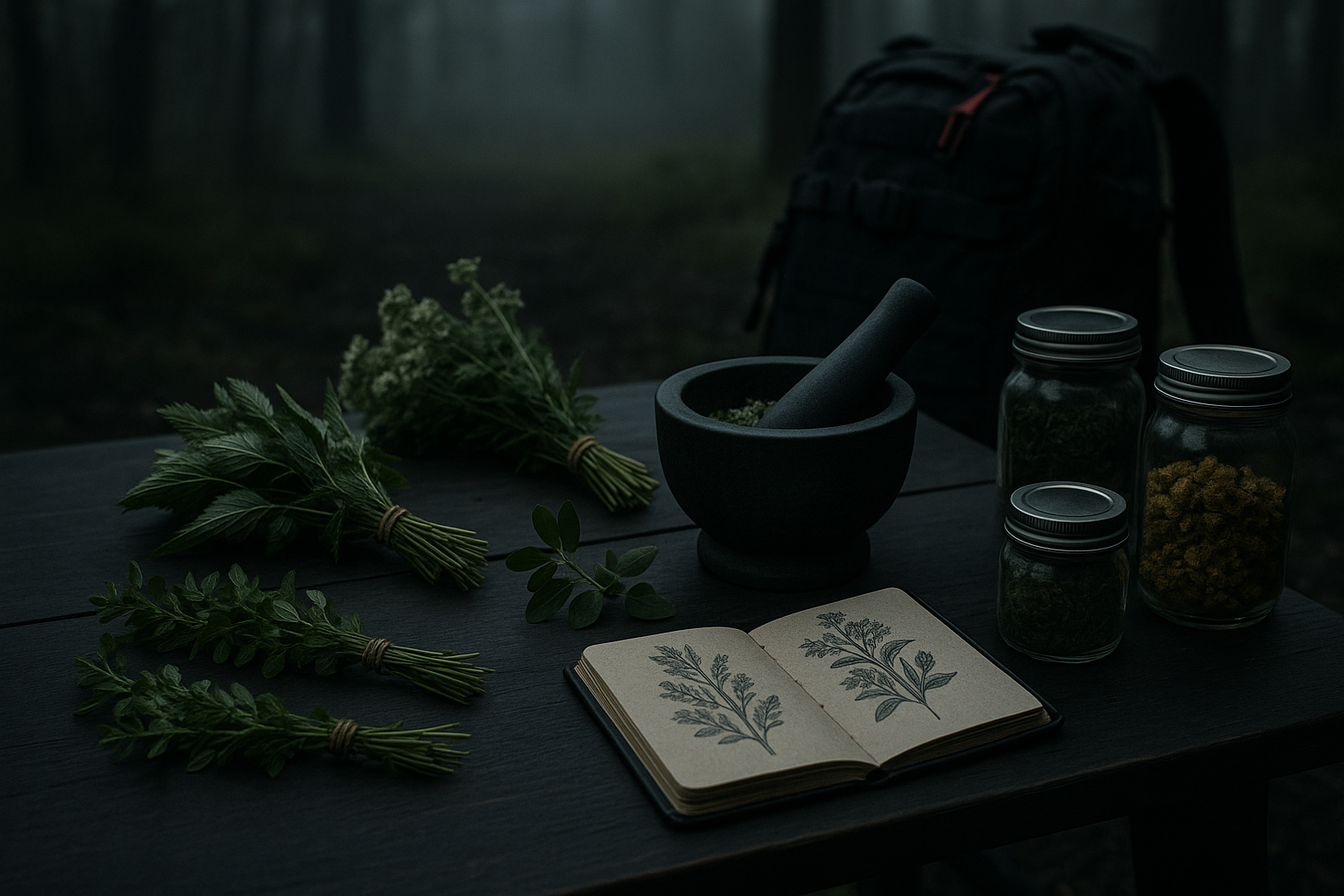
Herbal medicine offers a practical way to maintain healthcare independence, especially during emergencies or supply chain disruptions. By growing, harvesting, and preparing medicinal plants, you can address common health issues without relying on conventional medical systems. Here's what you need to know:
- Why it matters: Herbal medicine is accessible, renewable, and cost-effective. Plants like echinacea, chamomile, and calendula can thrive in home gardens and provide remedies for pain, immunity, and digestion.
- Skills to learn: Identifying, growing, and preparing herbs are essential. These skills help you manage minor health concerns and reduce reliance on pharmacies.
- How to start: Focus on hardy, multi-use plants like yarrow and peppermint. Learn safe harvesting techniques, proper storage methods, and how to make tinctures, salves, and teas.
- Safety tips: Understand dosages, potential drug interactions, and legal guidelines for foraging and selling herbal products.
Herbal medicine empowers you to take control of your health while fostering self-reliance. Start small with a few versatile herbs and expand your knowledge over time.
Prepper Pharmacy: Growing and Preserving Medicinal Herbs at Home
Finding and Growing Medicinal Herbs
Starting an herbal medicine practice begins with knowing which plants to use and how to source them. Whether you're foraging in the wild or cultivating a medicinal garden, understanding how to identify and grow herbs is key. Fortunately, many medicinal plants are easy to find and thrive in various U.S. regions.
Common Medicinal Herbs for Preppers
Choosing the right herbs can make a big difference, especially for emergencies or off-grid living. Focus on plants that are hardy, versatile, and effective for common health needs.
-
Echinacea (Purple Coneflower): Known for boosting the immune system, Echinacea is native to the Great Plains and thrives in USDA zones 3-9. It's drought-tolerant once established, and its roots, leaves, and flowers are all medicinal, making it ideal for small gardens.
-
Yarrow: Found growing wild across North America, yarrow is a multi-purpose herb. Its leaves can stop bleeding when applied to cuts, while tea made from its flowers may reduce fever and inflammation. It spreads easily and requires minimal care, perfect for beginners.
-
Plantain: Often dismissed as a weed, plantain grows low to the ground with ribbed leaves. It's excellent for treating insect bites, minor wounds, and respiratory issues. Both broadleaf and narrow-leaf varieties are widely used.
-
Peppermint: This vigorous grower offers relief for digestive issues, nausea, headaches, and congestion. It thrives in most climates but spreads aggressively, so planting it in containers is recommended.
-
Calendula (Pot Marigold): With bright orange flowers, calendula is prized for its skin-healing properties, useful for cuts, burns, and other conditions. It's both edible and medicinal, blooming from spring until frost.
-
Chamomile: Available in two main types - German (an annual) and Roman (a perennial) - chamomile produces daisy-like flowers used for calming teas. These teas can help with anxiety, insomnia, and digestion. German chamomile self-seeds, ensuring a steady supply.
How to Identify Herbs Safely
Proper plant identification is essential for safe use. Never consume a wild plant unless you're absolutely certain of its identity. Even experienced foragers rely on multiple methods to confirm their findings.
-
Use reliable resources: Field guides like The Forager's Harvest by Samuel Thayer or Medicinal Plants of North America by Jim Meuninck include detailed photos and descriptions. Digital tools like PlantNet can assist, but always cross-check with a trusted guide.
-
Focus on key features: Look beyond general appearance. Pay attention to leaf shape, arrangement, and texture, as well as flower structure and color. Root systems can also provide clues. For example, wild carrot (Queen Anne's lace) has hairy stems, while its toxic look-alike, poison hemlock, has smooth stems with purple spots.
-
Start small: Begin with a few familiar plants, using multiple sources to confirm their identity. When in doubt, it's better to avoid a plant than risk using something harmful.
Starting Your Herbal Garden
Growing your own medicinal herbs ensures a steady supply and allows you to control their quality. Many medicinal plants are easier to grow than vegetables and can thrive in less-than-ideal soil.
-
Choose the right spot: Most herbs need well-draining soil and at least six hours of sunlight daily. Mediterranean herbs like rosemary, thyme, and oregano prefer rocky, poor soil, while others thrive in richer conditions. Keep your garden accessible for easy harvesting and care.
-
Test your soil: Using a soil pH kit, check that your garden falls within the 6.5–7.5 range, which suits most herbs. Some plants, like elderberries, prefer more acidic soil. Adding compost can improve soil structure, but avoid over-fertilizing - it can dilute the medicinal properties of some herbs.
-
Consider your region: Climate plays a big role in herb selection. In the Pacific Northwest, wet-tolerant plants like Oregon grape and nettle do well. In the Southwest, drought-resistant options like desert sage and chaparral are better. Southeastern gardeners might focus on heat-loving herbs like holy basil and lemon balm.
-
Planting tips: Start perennials like Echinacea and yarrow indoors 6–8 weeks before the last frost, and direct-seed cool-season annuals like calendula 2–4 weeks before the frost ends. For heat-sensitive herbs like basil, wait until soil temperatures reach about 60°F.
-
Companion planting: Pairing herbs with other plants can benefit your garden. For example, rosemary and thyme can deter pests near vegetables, while comfrey's deep roots bring nutrients to the surface. However, keep aggressive spreaders like mint contained to prevent them from overtaking your garden.
-
Watering and maintenance: Consistent moisture is crucial during the first month after planting. Once established, most herbs tolerate drier conditions. Mulch around plants to retain moisture and suppress weeds, but keep it away from stems to prevent rot.
Starting with a small, dedicated herb bed can simplify the process. A 4x8-foot raised bed can hold 15–20 herb varieties, making it easier to manage and expand as you learn. Once your garden is thriving, focus on harvesting and preserving your herbs to make the most of your efforts.
Harvesting, Processing, and Storing Herbs
The way you harvest, process, and store herbs plays a huge role in preserving their medicinal qualities. With the right techniques, you can ensure your herbal remedies stay effective for months - or even years - making them a reliable resource in any situation.
Best Methods for Harvesting Herbs
Timing is everything when it comes to harvesting herbs. The best time to gather most herbs is just before they flower, as this is when their essential oils are at their peak.
Morning is the ideal time for harvesting. Aim to cut herbs between 8:00 AM and 10:00 AM, after the dew has dried but before the day's heat sets in. This ensures maximum oil content and avoids excess moisture, which can lead to mold during drying.
Different parts of the plant require different approaches:
- For leafy herbs like peppermint, cut stems 4–6 inches above the ground.
- When harvesting flowering herbs, pick the blossoms when they’re fully bloomed.
- Roots need special attention. Dig them in the fall after frost has killed the plant's top growth, or in early spring before new shoots emerge. This timing ensures the roots are rich in nutrients and medicinal compounds. For example, echinacea roots should only be harvested from plants that are at least two years old, after their flowering season has ended.
Always use clean, sharp shears to make precise cuts that heal quickly. Avoid cutting more than one-third of a plant at a time, especially for perennials, to allow them to recover. For annuals like German chamomile, you can harvest more aggressively since they complete their life cycle in one season.
Steer clear of harvesting wet plants, as moisture promotes mold. Similarly, avoid harvesting during extremely hot weather, when essential oils may have already evaporated. If conditions aren’t ideal, process the herbs immediately to preserve their quality.
Processing and Preserving Herbs
Processing herbs right after harvesting is key to keeping their potency. The method you choose will depend on how you plan to use the herbs and the tools you have on hand.
Air drying is the simplest and most accessible method. Start by removing any damaged or diseased leaves. Then, bundle small groups of stems with rubber bands and hang them upside down in a warm, dry, and well-ventilated space, away from direct sunlight. The ideal drying temperature is 70–80°F with humidity below 60%.
For delicate herbs like basil or chamomile flowers, screen drying is gentler. Stretch window screening over wooden frames and spread the herbs in a single layer. Turn them daily to ensure even drying, which typically takes 3–7 days depending on humidity levels.
Oven drying is faster but requires careful monitoring. Set your oven to its lowest temperature, ideally between 95–115°F. If your oven doesn’t go that low, prop the door open slightly to avoid overheating. Spread the herbs on parchment-lined baking sheets and check them every 30 minutes. Most herbs will dry within 2–4 hours using this method.
A food dehydrator offers precise control over drying conditions. For leaves and flowers, set the temperature to 95–115°F, while roots and bark require slightly higher temperatures, around 125–135°F. Dehydrators usually dry herbs in 12–24 hours while preserving their color and potency.
Freeze drying is another option, particularly for herbs you plan to use fresh in cooking or tea blends. After cleaning and drying the herbs, freeze them solid on baking sheets. Once frozen, transfer them to freezer bags, removing as much air as possible. While frozen herbs retain their medicinal properties for up to a year, they lose their structure when thawed.
Properly dried herbs should crumble easily but retain some texture. Leaves should stay green, as browning or blackening indicates overheating or poor drying conditions. Once dried, storing them correctly ensures they stay effective.
Storage Methods for Long-Term Use
How you store your herbs is just as important as how you harvest and dry them. To maintain their potency, you need to protect them from light, heat, moisture, and oxygen.
Glass jars with tight lids are ideal for most dried herbs. Mason jars are a great option, and dark-colored glass provides extra protection from light. If you use clear jars, keep them in a dark, cool place. Leave about an inch of space at the top to avoid crushing delicate materials when opening or closing the jars.
Vacuum sealing is another excellent way to extend shelf life. By removing oxygen, you slow down oxidation. You can use vacuum-sealable bags or invest in jar attachments for your vacuum sealer. Herbs stored this way can last 2–3 years, compared to 1–2 years in regular airtight containers.
Choose a storage area that is cool, dark, and stable, such as a basement, pantry, or storage room. The ideal temperature range is 60–70°F with low humidity. Avoid storing herbs near heat sources, windows, or anywhere with fluctuating temperatures.
Labeling is essential to avoid confusion and track freshness. Use waterproof labels to note the herb name, harvest date, and any processing details. If you foraged the herb, you might also want to include its location for future reference. Replace herbs that are more than two years old, as their potency diminishes over time.
For the best results, store herbs in their whole form and grind them only as needed. Whole leaves and flowers last longer, while powdered herbs lose potency faster due to increased surface area exposed to air.
Moisture control is critical for long-term storage. If you live in a humid area, add food-grade silica gel packets to your containers - but make sure they don’t mix with your herbs. Regularly check your stored herbs for signs of moisture, mold, or pests, especially in the first few weeks after processing.
Roots like echinacea or burdock need slightly different care. Chop them into smaller pieces before drying to speed up the process, but avoid powdering them until you’re ready to use them. Properly dried and stored roots can retain their potency for 3–4 years, making them a valuable addition to your herbal medicine kit.
Making Herbal Remedies: Tools and Methods
Creating your own herbal remedies is a practical way to ensure access to effective, natural healthcare, even in off-grid situations. Once you've harvested and dried your herbs, the next step is transforming them into tinctures, salves, and teas. With just a few simple tools and techniques, you can craft a variety of remedies at home.
Basic Tools for Herbal Medicine
Setting up a workspace for herbal medicine doesn't have to break the bank. Most of what you need can be found in your kitchen or at local stores.
A mortar and pestle is indispensable for grinding dried herbs and breaking down plant material. Granite or marble options are best since they won’t absorb oils or flavors. A 6-inch diameter mortar strikes the right balance between utility and space-saving.
Glass containers are essential for both preparing and storing remedies. Mason jars are perfect for tinctures and dried herbs, while amber glass bottles with dropper tops are ideal for storing finished tinctures. The amber glass helps protect light-sensitive compounds from degrading.
For oil-based remedies like salves, a double boiler setup is a must. You can easily make one by placing a heat-resistant glass bowl over a saucepan of simmering water. This method ensures gentle heating to preserve the properties of your herbs.
To filter plant material from your preparations, you'll need fine mesh strainers and cheesecloth. A stainless steel strainer with small holes (less than 1/16 inch) works well, and cheesecloth provides an extra level of filtration.
Precision is key in herbal medicine, so invest in measuring tools. A digital kitchen scale that measures down to 0.1 grams ensures accurate herb-to-liquid ratios. Standard measuring cups and spoons are useful, but having smaller spoons (like 1/8 or 1/4 teaspoon) can make dosing more precise.
When working with vinegar-based tinctures or other acidic preparations, pH test strips help ensure the pH stays within the safe range of 3.5 to 6.5. For oil infusions, a candy thermometer is handy for monitoring temperatures.
Once you've gathered these tools, you're ready to start making your own herbal remedies.
How to Make Tinctures, Salves, and Teas
Tinctures are potent, long-lasting remedies. Alcohol-based tinctures are particularly effective because they extract both water-soluble and alcohol-soluble compounds. Use 80-proof vodka or grain alcohol - never rubbing alcohol, as it’s toxic. The general ratio is 1 ounce of dried herb to 5 ounces of alcohol (1:5). For fresh herbs, use a 1:2 ratio since they contain more water.
To make a tincture, combine herbs and alcohol in a clean glass jar, ensuring the herbs are fully submerged by at least 1 inch of liquid. Seal the jar and store it in a cool, dark place for 2–4 weeks, shaking it daily. Once the extraction is complete, strain the mixture through cheesecloth, pressing out as much liquid as possible. Store the finished tincture in amber glass bottles, away from heat and light. Properly stored, alcohol tinctures can last 3–5 years.
If you prefer an alcohol-free option, vinegar-based tinctures are a good alternative. Though less potent and with a shorter shelf life (1–2 years), they’re made similarly to alcohol tinctures. Use raw apple cider vinegar with at least 5% acidity, and allow 4–6 weeks for extraction.
Herbal salves combine the therapeutic properties of herbs with the protective qualities of oils and waxes. To make a salve, start by infusing oil with herbs. The solar method involves placing dried herbs in a jar, covering them with olive oil or another carrier oil, and leaving the jar in a sunny spot for 2–4 weeks, shaking it daily. Alternatively, the heat method uses a double boiler to gently warm the herbs and oil at 100–140°F for 2–4 hours.
Once your herbal oil is ready, strain out the plant material. To create the salve, heat 1 cup of the infused oil with 1–2 ounces of beeswax until melted. To test the consistency, place a small amount on a cold spoon - it should firm up but remain spreadable. Pour the warm mixture into tins or jars and let it cool. Properly stored, salves last 1–2 years.
Herbal teas are the simplest remedies to prepare, but they require attention to detail. Use 1 tablespoon of dried herbs (or 2 tablespoons of fresh herbs) per cup of water. Delicate flowers and leaves should steep in water heated to 180–190°F for 5–10 minutes, as boiling water can destroy their beneficial compounds. For tougher materials like roots or bark, a decoction is needed: boil the herbs in water for 10–20 minutes to release their properties. Always cover the tea while steeping to trap volatile oils and strain before drinking. Consume herbal teas within 24 hours for the best results.
Storage and Labeling Methods
Proper storage and labeling are crucial for maintaining the safety and effectiveness of your remedies. Use waterproof labels to avoid smudging, and include detailed information such as:
- Herb name (common and scientific)
- Preparation date (MM/DD/YYYY)
- Extraction method
- Dosage guidelines
- Expiration date
For tinctures, also note the alcohol percentage and herb-to-liquid ratio. Dosage information is especially important - tincture dosages typically range from 1/4 to 1 teaspoon (1–5 ml) taken 1–3 times daily, but this varies by herb. Research and clearly document the correct dosage for each preparation.
Expiration dates depend on the type of remedy: alcohol tinctures last 3–5 years, vinegar tinctures 1–2 years, salves 1–2 years, and dried herbs for tea 1–2 years. Always replace remedies past their expiration to avoid reduced potency or contamination risks.
Storage conditions also play a big role in longevity. Keep remedies in a cool, dark place with stable temperatures between 60–70°F. Avoid storing them in bathrooms, where humidity and temperature fluctuate. A dedicated storage box or cabinet in a closet is a better option.
To make identification easier, consider color-coding your labels. For example, use green for digestive remedies, blue for respiratory support, red for circulation and heart health, and yellow for immune boosters. This system can save time, especially in emergencies or when managing multiple remedies.
sbb-itb-1666494
Building Your Herbal Medicine Kit
Putting together a reliable herbal medicine kit means choosing remedies that can handle a variety of situations, especially in emergencies or off-grid scenarios. Think about including herbal preparations that support your immune system, aid in wound care, manage pain or digestive issues, and address respiratory or stress-related concerns. To stay organized and ready for different needs, consider dividing your collection into three categories: a well-stocked home supply, a portable vehicle kit, and a smaller bug-out bag. This approach ties back to the earlier discussion on how to process, store, and prepare remedies to ensure they’re effective when you need them most.
Must-Have Herbs for Your Medicine Kit
When choosing herbs, go for options that can address multiple health concerns. Look for remedies that can boost immunity, heal wounds, ease pain, and calm digestive troubles. The specific herbs you pick will depend on your personal needs and what’s locally available, but make sure your kit covers critical areas like immune support, wound care, and digestive relief. This way, you’ll be prepared whether you’re at home or on the move.
Choosing the Right Storage Containers
How you store your remedies is just as important as the remedies themselves. Airtight glass containers are a great choice because they protect light-sensitive compounds and help maintain potency. These containers are perfect for both your home kit and portable setups, ensuring your herbal preparations stay effective over time.
Pairing your carefully chosen remedies with the right storage solutions ensures your kit is ready when you need it most. To take it a step further, expert resources can help you refine and expand your setup.
Using AgentXSurvival Resources

AgentXSurvival offers a wealth of tools and guides to support your off-grid medicine efforts. Their Off-Grid Medicine section connects you with suppliers for essential materials and tools to prepare herbal remedies. Meanwhile, their Survival Guides & Manuals provide practical advice on identifying medicinal plants and storing them effectively. If you’re looking to integrate herbal medicine into a broader survival plan, their Food & Water Systems and Christian Survival Resources sections offer additional insights to round out your strategy.
Safety, Dosage, and Legal Guidelines
Herbal remedies can be a powerful ally in promoting health, but they require careful handling. Proper dosages, awareness of potential interactions, and adherence to legal rules are essential to ensure both safety and effectiveness. Respecting these principles protects your well-being and ensures your herbal preparations deliver the results you’re looking for.
Safe Dosage Guidelines
When starting with a new herbal remedy, it’s wise to begin with a small dose and increase gradually. Allow a few days between adjustments to observe how your body responds. For tinctures, start with 5-10 drops diluted in water, taken up to three times a day. If needed, you can increase to 1/4 teaspoon (roughly 30 drops), but always wait at least three days before making any changes.
For herbal teas, the general rule is 1 teaspoon of dried herb per cup of hot water, steeped for 5-15 minutes. The steeping time depends on the herb: delicate leaves like chamomile need less time, while tougher materials like roots or bark require longer. Limit yourself to 2-3 cups a day unless you’re familiar with the herb and its effects.
When using salves or topical preparations, always test first. Apply a small amount to your inner wrist and wait 24 hours to check for any adverse reactions. Most topical remedies can be applied 2-3 times daily to the affected area, but avoid using them on broken skin unless they’re specifically designed for wound care.
For children and older adults, dosages should be reduced. A good rule of thumb is to give children one-quarter to one-half of the adult dose, depending on their age and weight. Pregnant or nursing women should avoid most herbal remedies unless they’ve been thoroughly researched and deemed safe for their situation.
Drug Interactions and Side Effects
Certain herbs can interact with medications in ways that may pose risks. For example, blood-thinning medications like warfarin can interact dangerously with herbs such as willow bark, which contains natural salicylates similar to aspirin. Combining these can increase the risk of excessive bleeding.
St. John’s wort, widely used for mood support, is another herb to approach with caution. It speeds up liver metabolism, which can reduce the effectiveness of medications like birth control pills, antidepressants, and heart medications. If you’re on any prescription drugs, it’s critical to research potential interactions before introducing herbal remedies.
Herbs that affect liver enzyme activity, like echinacea, can alter how your body processes medications such as acetaminophen. This doesn’t mean you have to avoid these herbs entirely, but timing and dosage become especially important.
Be mindful of long-term use. Some herbal compounds can accumulate in your system, leading to side effects such as digestive upset, headaches, or skin reactions that may not appear immediately. If you notice these symptoms after weeks of use, consider reducing your dosage or taking a break.
Keeping a log of your herbal use and any effects you experience can be incredibly helpful. It allows you to track patterns and catch potential issues early, ensuring safe and informed use.
Legal and Ethical Guidelines
Legal rules play an important role in responsible herbal use, complementing safe dosages and interaction awareness. Foraging laws, for instance, vary depending on the state and type of land. In national forests, small-scale personal collection is often allowed, but many state parks prohibit plant collection entirely. On private property, you must have the landowner’s permission, and certain areas have strict protections for endangered or sensitive plants.
States like California and Oregon enforce stringent rules to protect native medicinal plants such as American ginseng and goldenseal. Collecting these without proper permits can lead to heavy fines. In contrast, Texas offers more flexibility for foraging on public land, though there are restrictions near water sources and in designated wilderness areas.
When foraging in urban areas, you need to be extra cautious about contamination. Plants growing within 50 feet of busy roads or in areas with unknown pesticide or chemical histories should be avoided. Many cities also have laws against collecting plants in public parks and green spaces.
Sustainability is key when gathering herbs. Focus on plentiful, fast-growing plants like dandelion, clover, and plantain, which can handle regular harvesting without harm to their populations.
If you plan to sell herbal preparations, be aware that this falls under regulated territory. The FDA doesn’t approve herbal remedies as medicines, but they do oversee health claims and labeling. Avoid making specific medical claims about treatments or cures, even when sharing remedies in good faith.
In most states, selling herbal products - even at farmers markets - requires proper licensing. Check your local regulations before offering herbal preparations to others outside your immediate circle. While your intentions may be kind, it’s important to ensure you’re not unintentionally violating any rules.
Conclusion: Building Self-Reliance with Herbal Medicine
From identifying plants in the wild to crafting remedies and storing them safely, this guide has provided you with the tools to take charge of your health. Gaining expertise in herbal medicine isn't just about memorizing plant names - it's about cultivating independence, especially when access to conventional medical care may be limited. You've explored how to spot safe medicinal plants, grow your own herbal garden, and create remedies using straightforward methods.
The journey toward herbal self-reliance begins with small, manageable steps. Start by growing a few versatile herbs like echinacea, chamomile, and calendula. These are excellent for beginners and allow you to experiment with making teas and salves before moving on to more advanced tinctures. Each new skill strengthens your preparedness and builds a dependable foundation for your herbal toolkit.
As your confidence grows, expand your collection with herbs that address common health concerns. For example, willow bark can help with pain relief, plantain is great for wound care, and peppermint aids digestion. Over time, you can tailor your herbal remedies to meet the unique health needs of you and your family.
The key to success lies in ongoing learning and regular practice. Rely on trustworthy resources, refine your techniques, and always prioritize safety by understanding proper dosages and potential interactions. The time and effort you invest in herbal knowledge now can pay off significantly when you need it most - whether during emergencies, disruptions in healthcare access, or simply to reduce reliance on conventional medicine.
Start small, use what’s available to you, and build your skills step by step. Every herb you grow, every remedy you craft, and every plant you learn to identify brings you closer to true self-reliance. Each accomplishment strengthens your ability to care for yourself and your loved ones.
With the knowledge and techniques from this guide, you're equipped to manage your health in a variety of situations. Whether you're addressing everyday aches and pains or preparing for more uncertain times, herbal medicine provides a sustainable, dependable path to wellness - one that doesn’t rely on supply chains or traditional healthcare systems.
FAQs
When gathering medicinal herbs in the U.S., proper plant identification is essential to avoid confusing them with toxic look-alikes. Focus on details like leaf shape, flower color, scent, and growth patterns to ensure accuracy. Always rely on trusted field guides and compare findings across multiple reliable sources to confirm your identification.
Safety is key, so stick to ethical foraging practices. Harvest only from clean, pollution-free areas, avoid taking more than the environment can sustain, and familiarize yourself with the common traits of poisonous plants. These can include features like milky sap, fine hairs, spines, or umbrella-shaped flower clusters. And remember, always verify your identification using multiple methods before using any plant.
To keep your homemade herbal remedies at their best, use airtight containers like mason jars. Store them in a cool, dark, and dry spot to shield them from light, heat, and moisture - factors that can diminish their effectiveness over time.
When it comes to dried herbs, steer clear of storing them near stoves, windows, or any humid areas. With proper storage, you can preserve their shelf life and medicinal qualities for months or even years.
To put together a basic herbal medicine kit, start by selecting herbs that can tackle a range of common issues. For example, aloe vera is great for soothing burns and skin irritations, while arnica is useful for easing bruises and muscle pain. Chamomile can help with relaxation and mild digestive troubles. Other handy herbs include garlic, yarrow, marshmallow root, and comfrey, which are known for their benefits in wound care, reducing inflammation, and addressing infections.
You'll also want a few essential tools to prepare and store your remedies. A mortar and pestle will help you grind herbs, drying racks are perfect for preserving them, and airtight containers will keep them fresh and ready for use. These tools, paired with your chosen herbs, create a practical kit that can come in handy during emergencies or in off-grid settings. Stick to herbs that are simple to grow, easy to harvest, and store well for long-term use.