
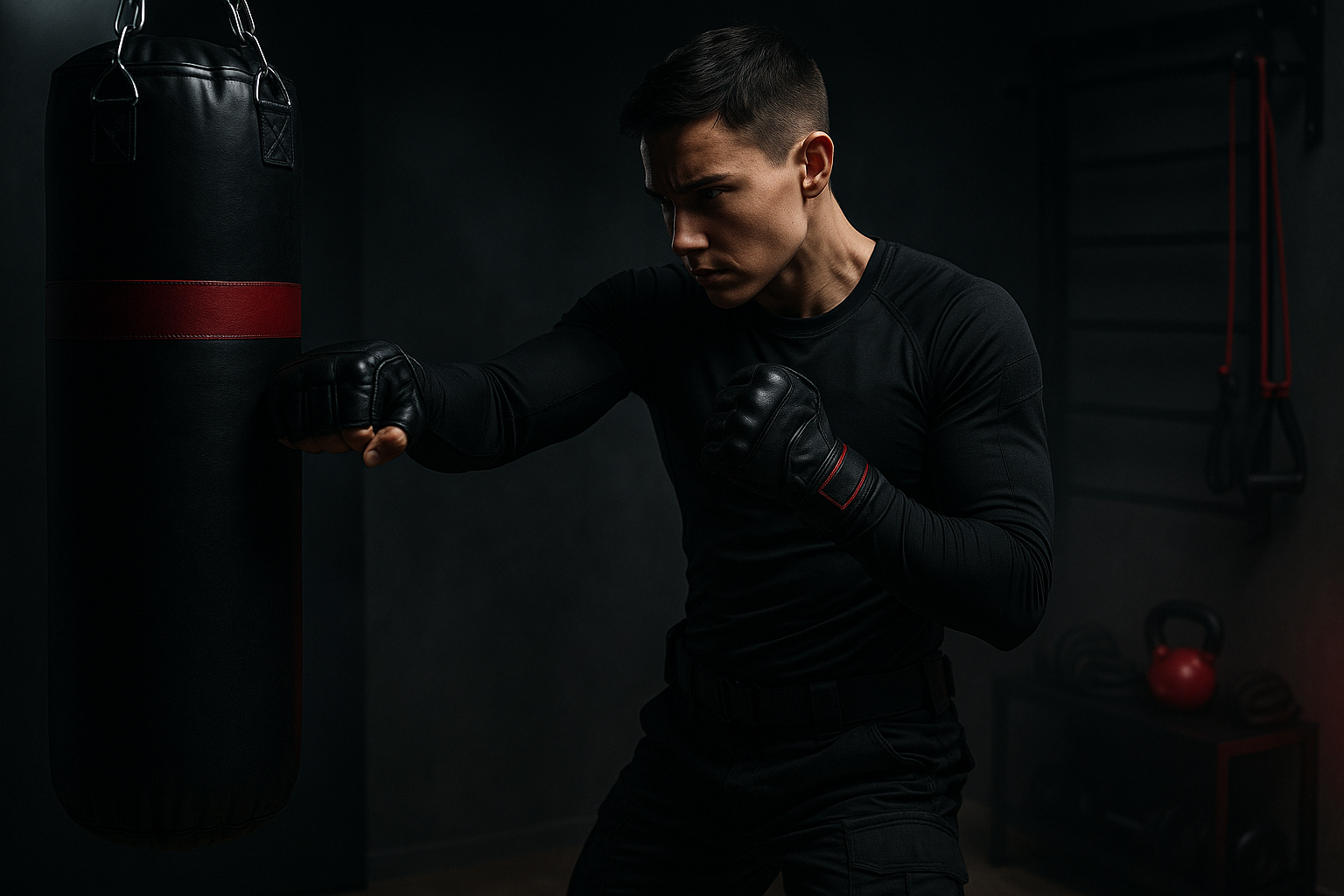
Want to feel safer and more confident? Training in self-defense at home is a practical way to learn essential skills without spending a fortune or committing to rigid schedules. Here’s what you need to know:
- Why it matters: Self-defense isn’t just about physical safety - it builds confidence, sharpens awareness, and improves fitness.
- Benefits of training at home: Save money, train on your schedule, and practice in privacy.
- What you need: Basic gear like mats, a heavy bag, and protective gloves. A clear, safe space is key.
- Techniques to learn: Start with palm strikes, straight punches, elbow strikes, and kicks.
- Resources: Use online videos, training apps, and self-defense manuals for guidance.
- Consistency is key: Train 2–3 times a week for 20–30 minutes to build skills and muscle memory.
Begin with a simple setup and focus on mastering basic moves. Commit to short, regular sessions, and track your progress to stay motivated. Ready to start? Dedicate just 15 minutes today to practice your first move.
Easy Home Self Defense Training For Beginners!
Equipment and Setup
Training for self-defense at home doesn’t require a huge budget or major renovations. With a few smart choices and some planning, you can set up a space that’s both practical and safe for your needs. Here’s a breakdown of the essential gear and tips for creating an ideal training environment.
Basic Training Tools
Start with a mat that provides enough cushioning for movement and falls. Puzzle-piece foam mats are a great option - they’re easy to store and offer decent padding. If you’re planning more intense practice, you might want to invest in a folding gymnastics mat for extra protection.
A heavy bag is another worthwhile addition as your skills progress. Look for a moderately weighted bag - it offers good resistance for strikes without being too challenging for beginners. Freestanding bags are especially handy for home setups since they don’t require permanent installation. If you’re short on space or working with a smaller budget, compact bags or double-end bags can also be effective options.
Don’t forget protective gear. Hand wraps are essential for wrist and knuckle support during bag work, and lightweight training gloves add an extra layer of safety. If you’re practicing partner drills or sparring, a mouthguard is a smart addition to your kit.
Focus mitts or pads are excellent for sharpening accuracy and timing. While these are typically used with a partner, you can adapt them for solo drills by mounting them on a wall or finding creative ways to incorporate them into your practice.
Lastly, keep a basic first aid kit on hand. Ice packs, bandages, and wound care supplies can help you quickly address any minor injuries during training. These tools form the core of your home self-defense setup.
Setting Up Your Training Space
Once you’ve got your equipment, it’s time to create a safe and functional training area. Start by clearing enough space to move around freely without obstacles. If your practice involves jumping or high kicks, make sure you have sufficient ceiling clearance. If space is tight, you can adjust techniques to fit your environment.
Pay attention to your flooring. Concrete floors may need extra padding to prevent injuries, while carpet or hardwood can affect how you move. The right mat or padding can make all the difference in keeping your training safe and comfortable.
Good ventilation and temperature control are also important. A fan can keep things cool on warm days, while a portable heater can make winter training more bearable. Comfort plays a big role in ensuring your workouts are both effective and safe.
To keep your space organized, use wall-mounted hooks or storage bins for your equipment. This not only reduces clutter but also minimizes the risk of tripping. If you want to check your form, consider adding a mirror. Just make sure it’s securely mounted to avoid accidents.
If space is a concern, don’t worry. A spare room or even a cleared-out corner of your living area can work perfectly. Portable and foldable equipment makes it easy to adapt smaller spaces for training.
The goal is to create a space where you can train confidently and safely. Start simple, and as your skills grow, you can gradually add more equipment. A well-thought-out training area ensures consistent practice and helps you build the self-defense skills you’re aiming for.
Basic Techniques and Beginner Drills
Once you've set up your training space, it's time to dive into drills that sharpen your technique and boost your confidence. These exercises focus on straightforward, effective strikes aimed at an attacker's weakest points, giving you a better chance to escape a dangerous situation.
Core Self-Defense Moves
Start with the Ready Stance, the foundation of all self-defense techniques. Stand with your feet shoulder-width apart, placing your non-dominant leg slightly forward. Bend your knees and keep your back heel off the ground, balancing on the balls of your feet. Hold your hands about 12 inches from your face with palms forward, chin tucked, and shoulders relaxed but slightly shrugged. In Krav Maga, this stance helps protect your torso by keeping your elbows close and your hands ready to block or strike.
Palm-heel strikes are perfect for beginners because they protect your fingers from injury. From the ready stance, rotate your hip and shoulder as you extend your palm outward with your fingers pointing up and your elbow down. Aim for the attacker's nose using the base of your palm. This move is simple but effective, delivering a strong strike while keeping your hand safe.
Straight punches build on your stance and add power. Form a proper fist, then rotate your hips and shoulders to drive the punch forward. Use your entire body to generate force, and quickly retract your punch to return to your ready stance. Speed and precision come with practice, so focus on controlled movements.
Elbow strikes are ideal for close-quarters situations where you can't fully extend your arms. These strikes use one of the hardest parts of your body for maximum impact. Practice horizontal, upward, and downward elbow movements, always returning to your ready stance after each strike. This ensures you're ready for the next move.
Front kicks to the groin are highly effective when facing an attacker. Lift your dominant leg, drive your knee and hips forward, and extend your leg to target the groin area. Start slowly to learn the movement, then increase speed and power as it becomes second nature. Always return to your ready stance immediately after each kick.
Defensive blocks are equally essential. Practice basic blocks to deflect incoming strikes while staying in a position to counter-attack. These techniques are your first line of defense and can help you stay in control of the situation.
By consistently practicing these moves, you'll develop a strong foundation for self-defense.
Creating a Training Routine
After learning the basics, it's important to combine these moves into fluid sequences. A structured routine helps you build muscle memory and ensures you're ready to react quickly and effectively. Start each session by revisiting your ready stance, spending a few minutes getting comfortable with the position and moving dynamically in and out of it.
Incorporate shadow boxing into your practice, blending punches, strikes, and blocks into smooth combinations. If your form starts to falter as you speed up, slow down and refocus on the fundamentals before pushing the pace again.
For beginners, aim for 10–15 repetitions of each move and 5–10 repetitions per leg for kicks. Focus on proper form over speed - quality always beats quantity. A typical session might last 20 to 30 minutes and include time for stance work, individual drills, and combining techniques into sequences. As you gain confidence and coordination, gradually extend your workouts to 40 or even 50 minutes using routines designed by experienced instructors.
sbb-itb-1666494
Learning Resources for Self-Defense
Effective self-defense training at home starts with quality learning materials that provide clear instructions, safety guidance, and a structured approach to help you progress steadily.
Online Courses and Video Tutorials
YouTube channels are a fantastic starting point for accessible and detailed self-defense instruction. Seek out channels run by certified martial arts instructors or experienced combat trainers. The best channels simplify techniques, point out common mistakes, and often use multiple camera angles to ensure clarity. Safety is a key focus, so prioritize instructors who emphasize this in their teaching.
Specialized online platforms take things further by offering structured lessons tailored to different skill levels. These platforms often include progress tracking and comprehensive curriculums that cover everything from the basics to advanced techniques. High-quality production, slow-motion demonstrations, and detailed explanations make these platforms a valuable resource.
Interactive training apps can complement your practice by guiding you through workouts, setting timing intervals, and providing reminders for specific techniques. Some apps even feature virtual sparring or reaction drills to improve decision-making under pressure. These tools offer a modern way to expand your knowledge while keeping track of your progress.
When selecting video resources, focus on instructors who balance physical skills with situational awareness and de-escalation techniques. The goal of self-defense isn't just to fight but to avoid dangerous situations whenever possible. For those looking to deepen their understanding, trusted books and manuals are excellent additions to your learning toolkit.
Books and Manuals
Self-defense manuals are invaluable for covering aspects that videos might overlook, such as threat assessment, legal considerations, and mental preparedness. These books can serve as handy references to revisit before training sessions or when reviewing specific techniques.
AgentXSurvival's survival guides are particularly useful for real-world scenarios. These guides focus on practical, straightforward techniques with clear illustrations, making them ideal for home training. They prioritize actionable skills over theoretical concepts, ensuring you can apply what you learn.
Military and law enforcement training manuals are another excellent resource. These materials often feature techniques designed for high-stress situations, focusing on simple and effective movements. Look for declassified guides or civilian versions of military combatives programs for practical insights.
Digital downloads offer the added benefit of instant access. Many include features like video links, audio instructions, or interactive elements that go beyond traditional books. Having these resources on your phone or tablet makes it easy to reference them during training sessions.
Scheduling Your Training Sessions
Once you've chosen your learning resources, the next step is to create a consistent training schedule. The key to mastering self-defense is consistency over intensity. Aim for three sessions a week, each lasting 30-45 minutes. This helps build muscle memory and ensures steady progress. Use a calendar to mark your training days - following the MM/DD/YYYY format - and treat these sessions as seriously as any other important commitment.
Consider scheduling your sessions on Tuesday, Thursday, and Saturday for balanced spacing throughout the week. For many, morning training sessions work best, giving you an energy boost to start your day. If mornings aren’t an option, pick a time when you’re alert and free from distractions. Avoid training right after meals or when you’re overly tired, as this can increase the risk of injury and hinder learning.
Track your sessions by logging the date, duration, and techniques practiced. This allows you to identify areas that need improvement and ensures you're covering a range of skills. Review your log weekly to plan future sessions and maintain a balanced approach to your training.
If you’re just starting out, a progressive schedule works well. Begin with 20-minute sessions focusing on basic stances and individual techniques. After two weeks, extend your sessions to 30 minutes and start combining moves into simple sequences. By the fourth week, you should be comfortable with 45-minute sessions that include warm-ups, drills, and cool-downs.
With a structured schedule and the right mix of resources, home self-defense training can be both effective and convenient.
Safety, Progress Tracking, and Confidence Building
As you create a dedicated training space and refine your techniques, focusing on safety, tracking your progress, and building confidence will round out your home training approach. Together, these elements establish a solid foundation for consistent improvement and meaningful results.
Training Safely
Safety should always come first. Use protective gear to minimize the risk of injury. Training pads and dummies are excellent for practicing strikes, as they shield your hands and feet from impact. If you're working on kicks, opt for shoes that provide flexibility and freedom of movement.
Start at a manageable pace and gradually increase intensity as your skills and confidence grow. This method helps you avoid overexertion or injuries that can occur when attempting advanced moves before mastering the basics.
Incorporate strength training and cardio into your routine to boost overall fitness, core stability, and flexibility - key components for effective self-defense. Also, wear clothing that allows unrestricted movement to ensure comfort and ease during your sessions.
Once you’ve established a safe and effective routine, the next step is to track your progress.
Tracking Your Progress
Measuring improvement is crucial for refining your skills. Keep a training journal or log to document daily lessons, techniques, mistakes, strengths, and areas for improvement. You can also track fitness metrics like push-ups, sit-ups, or burpees. Whether you prefer a physical notebook or a digital app, include details such as technique descriptions, pros and cons, defense strategies, and escape methods.
"Journaling for martial arts means that you are tracking your complete progress in a martial art." - Elite Sports
Set clear, actionable goals to guide your efforts. These can range from short-term objectives, like mastering a specific move, to long-term ambitions, such as handling multiple self-defense scenarios with confidence. Assign realistic timeframes to each goal and track your progress regularly.
Keep an eye on measurable improvements, such as how high you can kick, how deep you can stretch, or how long you can sustain high-intensity activity. Record each new technique you learn, noting refinements and practical applications. After every session, reflect on your performance by identifying successes and areas needing improvement.
Leverage technology to make tracking easier. Apps like MyFitnessPal can help you monitor your diet to ensure proper fueling. Wearable fitness trackers provide insights into heart rate, calorie burn, and sleep patterns. Additionally, recording your training sessions on video allows you to spot errors and fine-tune your techniques.
"Tracking progress in martial arts is more than just counting how many techniques you've mastered or how many hours you've logged at the dojo. It's about understanding the subtle improvements in your physical abilities, mental strength, and overall growth as a martial artist." - Tempura Brand Supply Co
Building Mental and Physical Confidence
Confidence grows when you celebrate milestones, reflect on progress, and consistently evaluate your performance. Recognize achievements, whether it’s mastering a new skill, improving reaction time, or extending your training duration.
Self-evaluation is key. After each session, ask yourself questions like, "What went well today? What can I improve?" Comparing your current abilities to past performances helps you see tangible progress and strengthens your confidence.
Mastery of physical techniques comes from disciplined practice and a strong understanding of the moves. Confidence stems from knowing you can execute techniques effectively under pressure. Revisiting older techniques regularly keeps them sharp and ensures you’re prepared for real-world scenarios.
Commit to ongoing learning. Stay updated on techniques and avoid habits that could undermine your confidence. If formal instruction isn’t accessible, explore reputable online resources or connect with experienced practitioners for guidance.
"Consistency is key in martial arts, as with any skill-based activity." - Tempura Brand Supply Co
Frequent practice not only builds muscle memory but also enhances mental readiness. Tracking your progress provides a clear picture of your development, creating confidence grounded in real skill.
Building mental confidence requires patience and realistic expectations. Focus on developing both the physical techniques and the mental calm needed to handle high-pressure situations. This balanced approach ensures your confidence is based on genuine ability, not overconfidence that could lead to mistakes in critical moments.
Conclusion
Starting self-defense training at home is a straightforward and effective way to build essential safety skills. You don’t need a gym membership or fancy equipment to begin learning techniques that could one day make a big difference in your personal safety.
Key Points Summary
Every drill and technique you practice lays the groundwork for real-world self-defense. Begin with a simple setup and basic equipment to create a safe and functional training space. Focus on mastering core techniques like palm strikes, knee kicks, and escapes before moving on to more advanced moves.
Consistency is key. Practicing for just 20–30 minutes, three times a week, helps develop the muscle memory needed to react effectively under pressure. Online courses, video tutorials, and trusted self-defense guides offer structured learning paths to help you progress from beginner to intermediate levels.
Safety should always come first. Use protective gear, start with manageable intensity levels, and include strength and cardio exercises in your routine to reduce the risk of injury while building your skills. Keep track of your progress with a training journal or app to see where you’re improving and what still needs work. Setting achievable goals and celebrating small wins will keep you motivated and on track.
Building confidence takes time, but with consistent effort and a focus on small victories, you’ll feel more prepared for real-world situations.
Getting Started with Your Training
Now that you have the basics, it’s time to take your first step. Pick one technique, set up a small training area, and dedicate 15 minutes to practicing today. Developing self-defense skills is all about steady, focused effort.
Training at home gives you the freedom to learn at your own pace in a comfortable environment. The time you invest now will help you build instinctive responses that could be invaluable in the future.
Start small, stay consistent, and remember: every expert started as a beginner. Commit to your first 15-minute session today and begin building the skills that could protect you tomorrow.
FAQs
Staying consistent and motivated with self-defense training at home starts with setting clear, realistic goals and sticking to a structured routine. Block out specific times during your week for practice, making sure it aligns with your daily schedule and commitments.
To keep your training interesting, mix things up. Work on techniques, follow online tutorials, or add strength and conditioning exercises to your sessions. Keeping track of your progress - whether in a journal or through video recordings - can make a big difference. Seeing how far you've come not only boosts your confidence but also keeps you motivated to keep going.
Don't forget why you're doing this: your personal safety and preparedness matter. Celebrate small wins along the way to keep the process enjoyable and rewarding!
To set up a safe and practical home training space for self-defense, start by selecting a clear, open area where you can move freely without restrictions. Make sure the flooring is non-slip or consider using training mats to reduce the risk of injuries and provide cushioning for falls. Good lighting, proper ventilation, and a comfortable temperature are also essential to ensure the space is suitable for physical activity.
If you're using equipment like punching bags, secure them firmly to prevent accidents. Additionally, clear the area of any potential tripping hazards, such as loose cables or misplaced furniture. These simple steps will help you create a secure and distraction-free environment to confidently practice your self-defense skills.
For those just getting started with self-defense at home, online courses, instructional videos, and beginner-friendly training tools are a great starting point. Look for resources that focus on practical, easy-to-learn techniques tailored for newcomers. Many platforms offer step-by-step instructions from seasoned professionals, allowing you to learn at your own pace without feeling overwhelmed.
Another option is to dive into self-defense books or videos that teach the basics, like striking, blocking, and staying aware of your surroundings. To practice effectively and safely, you might want to pick up some basic gear, such as a punching bag, a training mat, or even use everyday items around the house as substitutes. Begin with straightforward drills to build your confidence, and as you get more comfortable, you can gradually expand your skillset.