When facing emergencies or survival scenarios, having the right tools can make a huge difference. This guide highlights the top tools you should include in your kit to stay prepared for urban disasters or wilderness survival. Each item is chosen for its reliability, durability, and practical use. Here’s a quick overview:
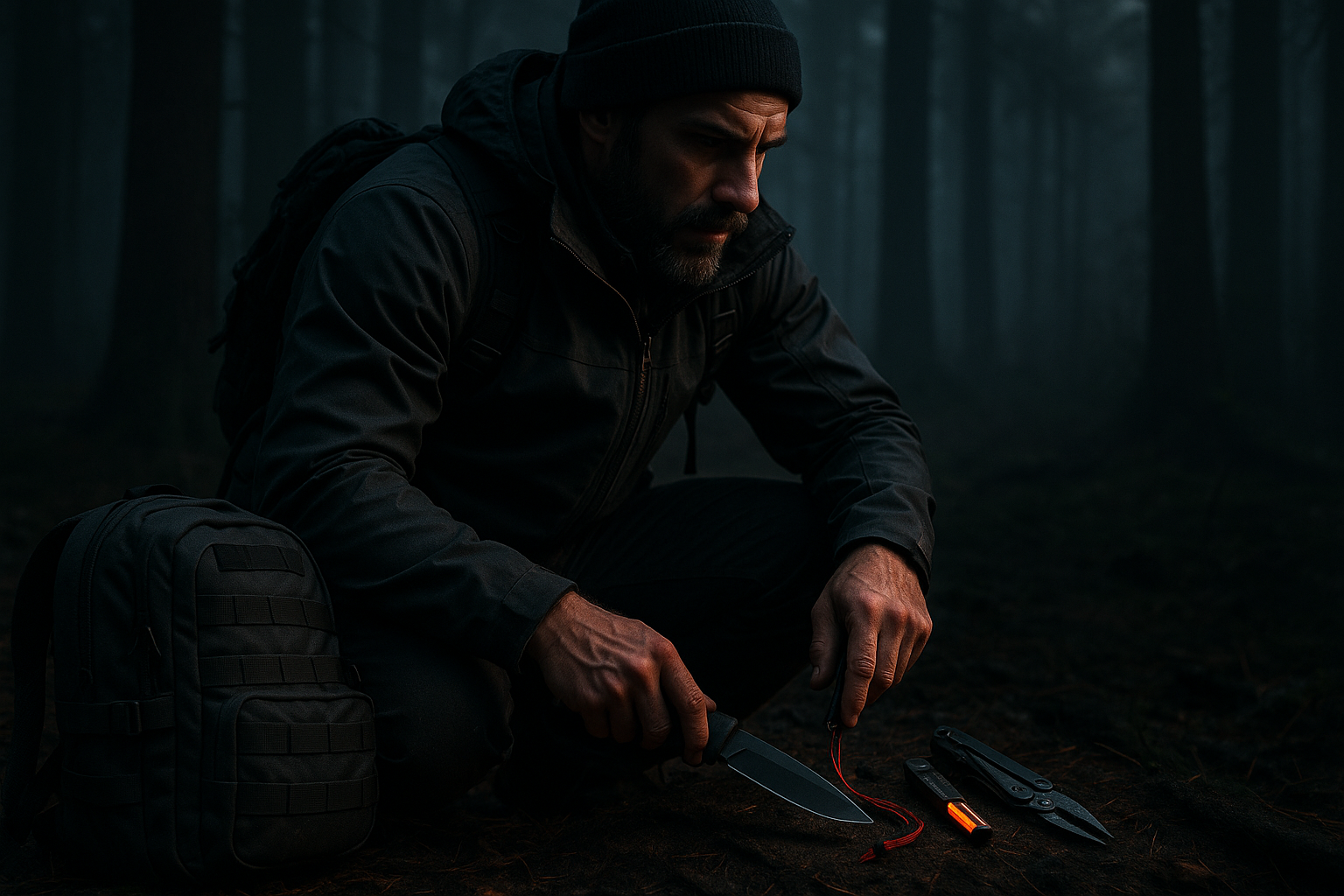
- Survival Knife: A fixed blade with full tang construction is key for cutting, chopping, and even fire-starting tasks.
- Fire Starter: Ferro rods and magnesium blocks work in any weather to help you build a fire for warmth, cooking, or signaling.
- Portable Water Filter: Removes bacteria and contaminants, ensuring safe drinking water from various sources.
- First Aid Kit: Compact kits with sterile supplies, basic medications, and multi-use items like duct tape are critical.
- Multi-Tool: Combines pliers, blades, and screwdrivers into one device, saving space while offering versatility.
- Paracord: Lightweight yet strong cord for securing shelters, repairing gear, or even first aid applications.
- Emergency Shelter: Portable options like bivvy sacks or tube tents protect against extreme weather.
- Flashlight and Headlamp: Reliable LED tools for navigation and signaling, with waterproof and durable designs.
- Emergency Radio: Stay informed with weather alerts and updates, even during power outages.
- Duct Tape: A go-to for quick repairs, sealing, or even medical use.
Key Takeaway: Build your kit with reliable, multi-use tools, and practice using them before an emergency. Focus on lightweight, durable gear that covers fire, water, shelter, and safety needs.
The Best $10 and Under Amazon Survival & Prepping Items !!
1. Survival Knife
A survival knife is the backbone of any survivalist’s gear. Designed to handle tough, multi-purpose tasks, it’s a tool you don’t want to be without in critical situations. Let’s break down the key qualities that make a survival knife indispensable: reliability, durability, versatility, and portability.
Reliability
A fixed blade with full tang construction is the gold standard for reliability. This design ensures the blade’s metal extends through the entire handle, forming a single, solid piece of steel. Without hinges or springs to fail, a full tang knife provides the structural strength needed to tackle demanding tasks.
Durability
When it comes to durability, the material of the blade matters. High-carbon steel delivers a razor-sharp edge that’s easy to sharpen in the field, though it requires regular upkeep to prevent rust. Stainless steel, such as 440C or AUS-8, offers excellent corrosion resistance, making it a practical choice for wet or humid environments.
Blade thickness is another factor to consider. Blades typically range from 4 to 6 millimeters thick. Thinner blades are ideal for precision cuts, while thicker blades are better suited for heavy-duty tasks like chopping and prying.
Multi-Purpose Use
A survival knife’s versatility is what sets it apart. The blade’s sharp edge is perfect for everyday tasks like cutting rope or preparing food, while the spine often doubles as a fire steel striker when paired with a ferrocerium rod. The pommel, or butt of the handle, can be used as a hammer for tasks like driving stakes or breaking glass.
For splitting wood, a technique called batoning comes in handy. By placing the blade on a log and striking the spine with another piece of wood, you can split logs into kindling without needing an axe. In emergencies, the flat sides of the blade can even reflect sunlight, making it a useful signaling tool.
Portability
Portability is key when choosing a survival knife. A knife weighing between 8 and 16 ounces with a blade length of 4 to 7 inches strikes the right balance between functionality and ease of carry.
Durable sheaths made from materials like Kydex or leather are essential for secure and quick access. Look for sheaths that offer multiple carry options, such as vertical or horizontal belt configurations and MOLLE attachment systems, for added flexibility.
Comfortable, ergonomic handles with textured grips ensure a secure hold, even in wet conditions. Some handles even come with hidden compartments for storing small survival tools like fishing line, needles, or waterproof matches. These thoughtful details can make all the difference when you’re out in the field.
2. Fire Starter
A fire starter is a must-have for survival - it can provide warmth, cook your meals, purify water, and even signal for help during emergencies. The key is picking tools that work reliably no matter the weather or conditions.
Reliability
When it comes to dependable fire-starting tools, ferrocerium rods are hard to beat. Unlike matches or fuel-based lighters that can fail in wet or windy conditions, a good ferro rod produces sparks hot enough to ignite even damp tinder. Magnesium fire starters are another excellent choice. These combine a magnesium block with a striker to create a strong, consistent spark, making them a go-to option when reliability is non-negotiable. Both types are built to perform under tough conditions, ensuring you can get a fire going when you need it most.
Durability
Survival gear needs to hold up in challenging environments, and fire starters are no exception. High-quality ferro rods are designed to function in extreme temperatures and weather, while waterproof matches can serve as a dependable backup option. These tools are built to last, giving you peace of mind.
Multi-Purpose Use
Some fire starters offer more than just sparks. Certain ferro rods, for example, come with edges that can double as light cutting tools, adding extra functionality to your survival kit.
Portability
Performance is essential, but so is portability. Fire starters are compact and easy to carry, making them ideal for any survival pack. Pair your fire starter with a small amount of tinder, like resin-rich fatwood, and keep backups like waterproof matches or a lighter. This layered approach ensures you're always prepared to start a fire when it counts.
3. Portable Water Filter
A portable water filter can be a lifesaver, turning contaminated water into a safe, drinkable resource by removing bacteria, viruses, and parasites. Whether you're preparing for emergencies or heading into the wilderness, having the right water filter is essential.
Reliability
The best portable water filters rely on multi-stage filtration systems to clean water effectively. Gravity-fed filters are a solid choice for off-grid situations since they don’t need electricity or batteries. These filters often use ceramic or hollow fiber membranes to remove bacteria and protozoa as small as 0.1 microns. For a more high-tech option, UV sterilization pens use ultraviolet light to kill harmful microorganisms, though they do require batteries to operate. Whichever you choose, make sure the filter meets EPA standards for water purification to ensure safety.
Durability
A good portable water filter should be tough enough to handle rough conditions and repeated use. Ceramic filter elements are particularly durable since they can be cleaned and reused many times, making them ideal for long-term scenarios. Filters with stainless steel housings are more resistant to corrosion and physical damage than those made of plastic. For added convenience, look for models with replaceable cartridges to extend the filter’s lifespan. If you're planning for extreme conditions, military-grade filters often feature reinforced designs that can withstand drops, harsh weather, and rough handling.
Portability
Once you've ensured the filter is reliable and durable, think about how portable it is. Straw-style filters are incredibly lightweight, weighing just about 2 ounces, and are perfect for single-person use. For larger groups, pump filters are a better option, though they weigh between 1 and 2 pounds. Another space-saving choice is collapsible water bottles with built-in filters, which combine water storage and filtration in one compact design. Your choice should depend on your specific needs - straw filters are great for solo hikers, while pump systems are better suited for group outings or extended survival scenarios.
Ultimately, the best filter is the one that fits your situation. If you're in an urban emergency, a simple bottle filter might do the job. But for wilderness survival, you'll need something more robust to handle murky water from ponds or streams.
4. First Aid Kit
Having a well-prepared first aid kit can make all the difference in emergencies, especially in remote areas or disaster situations. It’s not just about having medical supplies - it’s about having the right ones, ready to support survival alongside other essential tools.
Reliability
The most effective first aid kits include sterile, individually wrapped supplies and hemostatic agents like QuikClot to quickly control bleeding. For medications, stick to staples with long shelf lives, such as ibuprofen, acetaminophen, and antihistamines like Benadryl. These basics can handle pain, fever, and allergic reactions without requiring special storage conditions.
Durability
Your kit needs to endure tough conditions. A waterproof, hard-shell case can protect your supplies from moisture and impact. Inside, choose materials that hold up over time - like medical tape that stays sticky in extreme temperatures or elastic bandages that maintain their stretch. Regularly check your kit for any signs of wear, like adhesive products losing their grip or medications nearing expiration.
Multi-Purpose Use
Opt for items that can serve multiple purposes to keep your kit compact yet versatile. For example, duct tape can be used for splinting or closing wounds, triangular bandages can double as slings or tourniquets, and tools like safety pins and tweezers are invaluable in various scenarios. This approach ensures you’re prepared without overloading your supplies.
Portability
Portability is just as important as functionality. A personal first aid kit should weigh no more than 1–2 pounds and fit neatly in your pack without hogging space. Use clear, labeled pouches to organize supplies for quick access during emergencies. Vacuum-sealed packaging can also help reduce bulk by compressing items like gauze pads and bandages. Focus on essentials for treating common injuries like cuts, burns, sprains, and minor infections.
Striking the right balance between preparedness and practicality is crucial. Your first aid kit should be ready to handle likely medical needs without adding unnecessary weight or taking up valuable space in your gear.
5. Multi-Tool
A good multi-tool combines multiple essential functions into one compact gadget. While it won’t fully replace specialized tools, a well-chosen multi-tool can handle a wide range of tasks in survival situations. It’s a smart way to reduce the weight and bulk of your gear, much like a survival knife or fire starter.
Reliability
Reliability is key when choosing a multi-tool. Look for models with rust-resistant handles and blades that are easy to sharpen and resist corrosion. Many top brands back their products with lifetime warranties, which is a great indicator of their confidence in durability and performance.
One standout feature to prioritize is full-size pliers. These are incredibly useful for gripping, twisting, and manipulating objects that are tough to handle with your bare hands. For demanding tasks like working with wires or fixing equipment, pliers that lock securely and provide good leverage are a must-have.
Durability
A survival tool needs to stand up to years of heavy use. For example, Leatherman Wave multi-tools are known to last decades, especially with their strong warranty support. Choosing tools made from high-quality materials ensures they can handle the wear and tear of outdoor adventures.
For bushcraft and survival, look for multi-tools with features like a sharp 90-degree spine for striking fire starters and a purpose-built sheath to aid in delivering oxygen to flames. These small but thoughtful design details can make a big difference in wilderness settings.
Multi-Purpose Use
The best multi-tools pack a wide range of functions into a single device. Essential features include blades of various sizes, pliers, screwdrivers, and a saw. Take the Victorinox Huntsman™ as an example - it offers 15 tools, including large and small blades, scissors, screwdrivers, and a wood saw. It’s a favorite among hunters, hikers, and outdoor enthusiasts for its versatility.
While a multi-tool isn’t specialized, its ability to replace multiple individual tools makes it incredibly valuable when space and weight are at a premium. This flexibility is a lifesaver when you’re trying to keep your pack light but still need reliable tools for various tasks.
Portability
One of the biggest advantages of a multi-tool is how much space and weight it saves. A high-quality multi-tool is compact enough to fit in a pocket or belt holster, making it ideal for everyday carry. In survival circles, the consensus is clear: the small weight and size of a multi-tool are well worth it for the convenience and functionality it provides. It can replace several pounds of dedicated tools while still handling most of their tasks.
In any survival kit, every tool serves a purpose. The multi-tool stands out for its ability to adapt to various needs, offering a practical and efficient solution in challenging situations.
6. Paracord
Paracord, short for parachute cord, is a must-have in any survival kit. Initially developed for parachutes, its strength and flexibility have made it a go-to tool for survivalists, military personnel, and outdoor adventurers. Its proven design and reliability make it an indispensable resource in the field.
Reliability
True military-spec paracord (MIL-C-5040H) is incredibly strong, capable of holding up to 550 pounds of static weight, which is why it's often called "550 cord." This strength makes it ideal for critical tasks like securing shelters, making emergency repairs, or even rappelling in extreme situations. The cord features a durable nylon sheath that surrounds seven inner strands, each with a capacity of about 35 pounds.
When buying paracord, it's essential to choose genuine military-grade versions rather than cheaper commercial alternatives. Authentic paracord maintains its integrity even when wet and resists excessive stretching under pressure. The inner strands can also be removed for various uses, such as fishing line, sewing thread, or even dental floss, making every inch of paracord incredibly useful.
Durability
High-quality paracord is built to last. It resists UV damage, mildew, and rot far better than ropes made from natural fibers. Thanks to its nylon construction, paracord can endure extreme temperatures ranging from -40°F to 160°F without losing its strength. Unlike cotton or hemp ropes, it doesn’t absorb water, so it won’t become heavy or freeze in cold weather.
The outer sheath protects the inner strands from wear and tear, but even if the sheath is damaged, the inner fibers remain functional. This built-in redundancy is invaluable in survival situations where failure isn’t an option. Properly stored, paracord can last for decades, making it a reliable long-term addition to your survival gear.
Multi-Purpose Use
Paracord is incredibly versatile, with countless survival applications. It can be used to build emergency shelters by securing tarps or lashing poles together. Need to replace a broken shoelace, belt loop, or backpack strap? Paracord has you covered. The inner strands can double as fishing line, strong enough to catch most freshwater fish.
In first aid, paracord can be a lifesaver. Use it to create tourniquets, secure splints, or even fashion stretchers for injured team members. It’s also handy for crafting snares and traps for small game or weaving nets for fishing or bird-catching. Many survivalists even make "survival bracelets" from paracord, ensuring several feet of cord are always within reach.
For quick fixes, paracord can temporarily repair broken zippers, secure loose gear, or replace a missing drawstring. The inner strands are perfect for sewing repairs on clothing, tents, or backpacks when proper thread isn’t available.
Portability
Paracord is impressively compact for the strength it delivers. At about 1/8 inch in diameter, a 100-foot bundle weighs less than 1 pound and takes up minimal space in your pack. Its lightweight, compact nature allows you to carry significant lengths - 50, 100, or even 200 feet - without adding much bulk or weight to your gear.
Unlike bulky ropes or chains, paracord coils neatly and doesn’t create awkward shapes in your pack. This portability is especially important during long hikes or when every ounce counts in your survival kit. With paracord, you get a lightweight, space-saving tool that punches well above its weight.
sbb-itb-1666494
7. Emergency Shelter
In survival situations, exposure to extreme weather can quickly turn dangerous. The right emergency shelter can shield you from wind, rain, snow, and intense temperatures, giving you a safe space to regroup and plan your next steps. Here's why an emergency shelter is an essential part of any survival kit.
Reliability
Emergency shelters are designed to hold up when you need them most. For instance, bivvy sacks made with reflective materials help retain body heat while keeping water out. Tube tents, which can be set up quickly using paracord and two anchor points, not only provide immediate shelter but also stand out with their bright colors, making it easier for rescuers to spot you. If you need something sturdier, emergency tarps made from tough materials like ripstop nylon or heavy-duty polyethylene come with reinforced tie-down points to ensure they stay secure in harsh conditions.
Durability
When the weather turns rough, durability becomes non-negotiable. Materials like mylar and ripstop nylon are built to resist tears and withstand stress. Many tube tents also feature heat-sealed seams, ensuring they remain waterproof even in heavy rain or snow, so you can rely on them when the going gets tough.
Multi-Purpose Use
Emergency shelters aren’t just for keeping you dry - they’re incredibly versatile. Mylar blankets, for example, can double as insulating ground covers or even as reflective signals to attract attention during the day. Tarps can be transformed into lean-tos, A-frame shelters, or even rain catchment systems for collecting water. Tube tents, on the other hand, can serve as ground sheets, sleeping bag covers, or emergency ponchos if the situation demands it.
Portability
When every ounce counts, portability matters. Modern emergency shelters are designed to be lightweight and compact, making them easy to carry in a bug-out bag, car kit, or even a hiking backpack. Whether you opt for a bivvy sack, a tube tent, or a tarp, these shelters are built to pack small without sacrificing functionality.
8. Flashlight and Headlamp
When you're out in low-light conditions, dependable lighting isn't just handy - it’s absolutely essential. Whether you're navigating tricky terrain, setting up camp, or handling first aid, having a flashlight and a headlamp can make all the difference. A flashlight provides focused illumination, while a headlamp keeps your hands free, making tasks like cooking or reading maps much easier. Let’s break down what to look for in these tools.
Reliability
Modern LED flashlights and headlamps are designed with features that enhance their practicality. Adjustable brightness settings allow you to conserve battery life when needed, and many headlamps come with night vision modes. These modes are especially useful for activities like reading maps or checking gear without ruining your natural night vision.
Durability
In survival situations, your gear needs to withstand whatever nature throws at it. Look for lighting tools with waterproof designs and rugged construction. These features ensure they’ll keep working through rain, drops, and other tough conditions. A sturdy build means you can count on them no matter how challenging the environment gets.
Multi-Purpose Use
Some models go beyond basic lighting by offering strobe modes for signaling distress. This added functionality can be a lifesaver, making your flashlight or headlamp more than just a light source.
Portability
Modern designs are compact and lightweight, making them easy to pack and carry without adding bulk to your gear. Many also come with secure attachment options, so you can keep them accessible at all times. With their portability and versatility, these tools are indispensable additions to any survival kit.
9. Emergency Radio
When disaster strikes and cell towers go offline, an emergency radio becomes your go-to tool for staying updated on weather alerts and rescue efforts.
Staying Connected
Look for models that offer multiple power options like hand-crank, solar charging, and batteries. This ensures you can stay informed even during prolonged outages. Radios equipped with a built-in NOAA Weather Radio feature are particularly useful, as they automatically receive warnings and updates directly from the National Weather Service. This feature keeps you in the loop when other forms of communication fail.
Built to Last
Emergency radios designed to meet MIL-STD-810 standards and boasting high IP ratings (like IP66 or IP67) are built to endure tough conditions. They can handle extreme temperatures, resist impacts, and fend off dust and water, ensuring they’ll keep working when you need them most.
10. Duct Tape
No survival kit is complete without duct tape. Known for its versatility and strength, it’s the go-to tool for quick fixes in high-pressure situations. Whether you’re dealing with damp, dirty conditions or need a fast repair, high-quality duct tape sticks to materials like metal, plastic, fabric, and wood with ease.
Multi-Purpose Use
Duct tape is a jack-of-all-trades when it comes to emergency repairs. It can patch up torn gear, seal water containers, and even double as an improvised bandage. Got a broken backpack strap? A few strips of duct tape can hold it together in no time. It’s also great for fixing holes in tarps, securing loose tent stakes, or creating waterproof seals on your gear.
In medical situations, duct tape can step in as a lifesaver. Use it to secure a makeshift splint or as part of a temporary bandage for minor cuts and scrapes.
Durability
What makes duct tape so reliable? Its tough backing resists tearing but stays flexible enough to wrap around odd shapes. Plus, it adheres strongly even on slightly damp or dirty surfaces, making it a dependable choice for outdoor adventures.
Portability
Carrying duct tape doesn’t have to be a hassle. Many survivalists wrap a small length around a pencil or trekking pole, giving them just enough for emergency repairs without weighing down their gear.
Reliability
When you’re in a pinch, duct tape delivers. Its ability to provide quick, effective fixes makes it a must-have for any survival scenario.
Tool Comparison Chart
Choosing the right survival tools is essential when preparing for emergencies. Below, you'll find a comparison of fire starters and portable water filters, highlighting their specifications and best use cases.
Fire Starter Comparison
Fire starters vary in ignition methods, durability, and resistance to weather. It’s wise to carry at least two types to ensure you can reliably start a fire when needed.
| Fire Starter | Type | Price (USD) | Weight | Lifespan/Strikes | Key Features | Best Use Case |
|---|---|---|---|---|---|---|
| Wolf & Grizzly Ferro Rod | Ferro rod | $13 | 0.8 oz | 20,000 strikes | Lightweight, weatherproof | Backpacking, general survival |
| Light My Fire MayaStick-on-a-Rope | Natural tinder | $4 | 0.5 oz | Single use | Waterproof, easy ignition | Emergency backup |
| Bernzomatic Trigger Start Torch | Butane torch | $86 | 8.2 oz | 2–3 hours burn | High heat output, windproof | Base camp, group situations |
| Plasma Lighter | Electric | $25–45 | 2–4 oz | 300+ uses per charge | Windproof, rechargeable | Urban survival, wet conditions |
Getting comfortable with your fire starter before an emergency is crucial. Electric plasma lighters, for example, are becoming a popular choice due to their rechargeable design and ability to work in wet or windy conditions.
Portable Water Filter Comparison
Portable water filters differ in their ability to handle contaminants, flow rate, and overall capacity. While standard filters remove bacteria and protozoa, purifiers go a step further by eliminating viruses.
| Water Filter | Type | Price (USD) | Weight | Flow Rate | Removes | Replacement Cost | Best For |
|---|---|---|---|---|---|---|---|
| Aquamira Water Treatment Drops | Chemical | $15 | 1 oz | 1 L in 15 min | Bacteria, viruses, protozoa | $15 annually | Ultralight backpacking |
| Grayl Ultrapress | Bottle purifier | $90 | 12.5 oz | 3 L per minute | Bacteria, viruses, chemicals | $70–80 annually | Solo travel, urban water |
| Epic Nano Dispenser | Bottle filter | $40 | 8 oz | Variable | Bacteria, chemicals | $50 annually | Daily use, tap water |
| MSR Guardian Purifier | Pump purifier | $400 | 17.4 oz | 2.5 L per minute | All contaminants | $100+ annually | Group expeditions, turbid water |
To understand the differences, bacteria typically measure between 0.2 and 1 micron, while viruses are about ten times smaller. If you plan to travel in areas with heavily polluted water or developing regions, a purifier capable of removing viruses is a safer choice.
Selection Guidelines
Use the comparison tables above to weigh your options. When deciding on tools, think about factors like whether you're traveling solo or in a group, weight limitations, the conditions of your water sources, and how easy the tools are to use. For example, pre-filtering muddy water through a clean handkerchief can help prevent clogs and extend your filter’s life - especially in sediment-heavy rivers like the Colorado River.
The prices reflect the balance between features, durability, and performance. For those on a tight budget, the MayaStick fire starter at $4 is a solid entry-level option. On the other hand, professionals or those preparing for extreme conditions may find the MSR Guardian purifier at $400 worth the investment.
Conclusion
Building an effective survival kit starts with choosing reliable, versatile tools that you can count on when it matters most. The ten tools highlighted in this guide are the foundation of any solid survival plan, whether you're preparing for emergencies in the city or braving the wilderness.
When it comes to survival gear, quality always beats quantity. For instance, investing in a dependable water purifier ensures you can safely drink from various sources, while a well-made ferrocerium rod offers a reliable way to start a fire in tough conditions. These items aren't just purchases - they're essential lifelines that could make all the difference in an emergency.
Different situations call for different tools, so it’s important to consider your specific needs. A fire starter that excels in damp conditions might be ideal for urban scenarios, whereas a durable ferrocerium rod is better suited for long treks in the wilderness. Solo adventurers often prioritize lightweight and compact gear, while group leaders may prefer tools designed to serve multiple people efficiently.
Start with the basics and build your kit gradually. A sturdy survival knife, a dependable fire starter, and a portable water filter are excellent starting points. From there, expand your kit as your budget allows and your experience grows.
But gear alone won’t save you - knowledge and practice are key. Take the time to familiarize yourself with your tools. Learn how to maintain your water filter, practice starting a fire, and understand how to use your first aid supplies. Whether your gear is budget-friendly or top-of-the-line, its real value comes from knowing how to use it effectively.
Finally, tailor your kit to your environment and the risks you’re most likely to face. Urban emergencies and backcountry adventures require different approaches, but durable, multi-functional tools are a smart choice no matter the scenario.
FAQs
When picking a survival knife, it's crucial to think about the blade material and design that will work best for your environment. For areas with high humidity or near the coast, stainless steel blades are a smart choice since they resist rust. On the other hand, carbon steel blades perform better in dry conditions, offering excellent hardness and long-lasting sharpness.
A full tang fixed blade is your best bet for strength and durability, especially when tackling demanding tasks like chopping or prying. Make sure the handle is comfortable and has a secure, non-slip grip to ensure safety during extended use. Always factor in the specific challenges of your environment - whether you're venturing into the wilderness or navigating an urban landscape - and aim for a knife that’s dependable and versatile.
When selecting a portable water filter for emergencies, prioritize its filtration performance. It should effectively remove bacteria, viruses, and protozoa, ensuring the water is safe to drink. Filters that meet or surpass EPA standards are a reliable choice.
Think about portability and usability as well. Opt for lightweight, compact options that are easy to use, especially in high-pressure situations. Durability is another crucial factor - your filter should be able to handle rugged conditions. Also, evaluate its filter capacity (how much water it can purify before needing a replacement), flow rate, and maintenance needs. These features are essential for prolonged emergencies or off-grid living.
To truly master your survival tools, regular practice in controlled but realistic scenarios is essential. Try using your fire starter to ignite a flame under various weather conditions, or experiment with your portable water filter to clean water from natural sources. Get hands-on with your survival knife by tackling tasks like cutting rope or carving wood. Don’t forget to go through first-aid drills with your kit so you’re ready to handle medical issues when they arise.
Repetition plays a huge role in building muscle memory for critical skills. Spend time honing abilities like knot-tying, constructing shelters, and starting fires. These tasks, when practiced enough, become second nature - allowing you to stay composed and act efficiently, even in stressful situations. The more you rehearse, the better equipped you'll be when the stakes are high.