Power outages can disrupt your life in an instant. From food spoilage to communication breakdowns, blackouts can create serious challenges if you're not ready. Here's a quick guide to ensure you're prepared to handle a complete blackout with confidence:
- First Steps When Power Goes Out: Stay calm, gather family members, and switch to safe lighting like flashlights. Check your breaker panel, contact your utility provider, and unplug electronics to avoid surges.
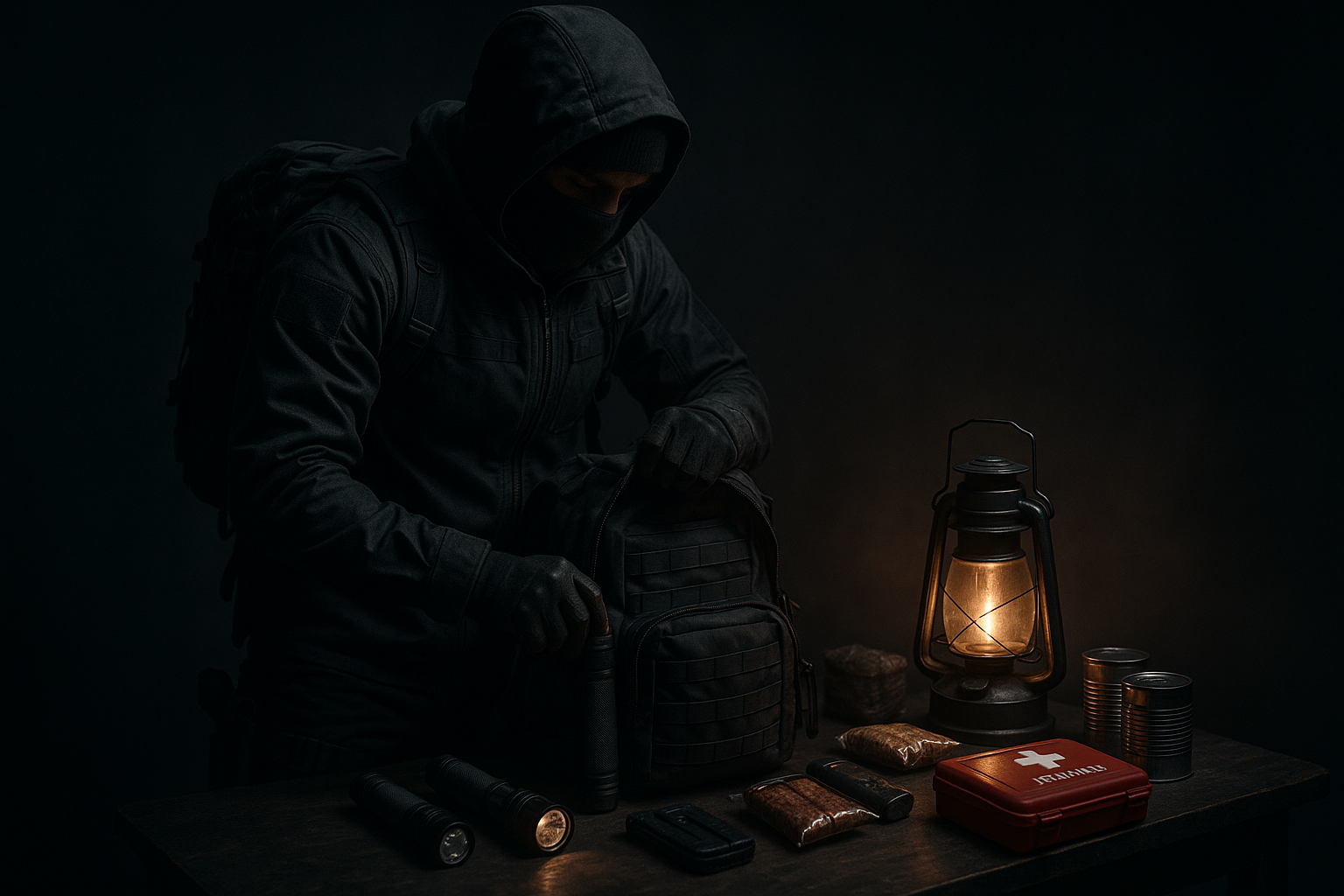
- Emergency Supplies: Stock up on LED flashlights, batteries, solar chargers, and a first aid kit. Keep non-perishable foods and at least one gallon of water per person per day.
- Backup Power Options: Gas generators provide high power but require fuel and emit carbon monoxide. Solar chargers are quieter and fuel-free but depend on sunlight.
- Food and Water Safety: Keep refrigerator and freezer doors closed. Use thermometers to monitor food safety and have water filters or boiling methods ready.
- Home Security and Self-Defense: Secure doors and windows, use motion-sensor lights, and practice situational awareness. Two-way radios and solar-powered devices can keep you informed.
- Long-Term Solutions: Consider DIY systems like thermal generators or water extraction towers for extended outages. Protect electronics with Faraday covers to shield against EMPs.
Preparation matters. Gather supplies, secure backup power, and create a plan tailored to your needs. Staying ready ensures safety and peace of mind during unexpected outages.
Power Outage Preparedness: My Complete Strategy
First Steps to Take When the Power Goes Out
When the power cuts out, those first few moments are crucial. Acting quickly and wisely can help prevent accidents, protect your devices, and give you a clearer sense of what’s going on. Here’s a step-by-step guide to navigating a blackout safely and effectively.
Keep Everyone Safe and Locate Family Members
Stay calm and move slowly. Use walls or furniture for guidance to avoid tripping in the dark.
Gather everyone in a central, familiar room without windows. This helps you account for everyone and makes it easier to distribute emergency supplies.
Switch to flashlights or emergency lights right away. Candles may seem like a good idea, but they pose a fire hazard.
Make sure everyone has warm clothing or blankets, especially if temperatures are dropping.
Determine the Cause of the Outage
Check if nearby homes still have power. If they do, the issue might be specific to your house.
Inspect your breaker panel for any tripped breakers or blown fuses. Resetting them could restore power.
Contact your utility provider to report the outage and check for updates. Most providers have phone lines, websites, or apps for this purpose.
Stay informed by monitoring local news, utility social media accounts, or platforms like poweroutage.us for broader updates.
Protect Electronics and Prepare for Power Restoration
Unplug electronics like TVs, computers, and gaming systems to shield them from potential power surges.
Leave one light on so you’ll know when power is restored.
Turn off large appliances such as ovens or air conditioners to prevent overloading circuits when electricity returns.
Keep refrigerator and freezer doors closed. A closed freezer can maintain its temperature for about 48 hours, and a refrigerator for up to 4 hours.
Avoid using indoor gas appliances for heating - they can release dangerous carbon monoxide. Stay safe by sticking to proper heating methods.
Emergency Supplies and Tools You Need
Being prepared before a blackout strikes can make all the difference between a manageable situation and a potentially dangerous one. A well-stocked emergency kit should address three key areas: lighting and power, medical essentials, and food and water supplies. While building this kit takes time, it’s an investment in your safety and peace of mind during an outage.
Lights and Power Sources
In a blackout, reliable lighting is a must. LED flashlights are a great choice because they use less power and last longer than traditional flashlights. Make sure you have at least one flashlight for every family member, plus extras in key spots like bedrooms, the kitchen, and the garage.
For tasks that require both hands, headlamps are incredibly useful. They’re great for cooking, reading, or making repairs in the dark. Look for models with adjustable brightness to conserve battery life.
If you need to light up an entire room, LED lanterns are a better option than flashlights. Choose battery-powered lanterns with dimmers for flexibility, and consider models with USB charging ports for added functionality.
Don’t forget to stock up on batteries in the sizes your devices require. Alkaline batteries are ideal for long-term storage, while lithium batteries perform better in extreme temperatures. Store them in their original packaging in a cool, dry place.
To keep devices like phones and radios powered, solar chargers and power banks are invaluable. Products like AgentXSurvival's solar backup systems can keep small electronics running for days without electricity. For a battery-free option, hand-crank radios and flashlights are a smart choice. A few minutes of cranking can provide hours of power, and many models include USB ports for charging other devices.
Once your lighting needs are covered, it’s essential to prepare for medical emergencies.
First Aid and Medical Supplies
A well-equipped first aid kit is a non-negotiable part of any emergency plan. Stock it with items like bandages in various sizes, antiseptic wipes, antibiotic ointment, pain relievers, and any prescription medications your family depends on.
If someone in your household requires prescription medications that need refrigeration, like insulin, you’ll need a way to keep them cool. A small cooler with ice packs can maintain the right temperature for 24–48 hours. Speak with your doctor about obtaining extra supplies of critical medications in case of extended outages.
Include a digital thermometer (with spare batteries) to monitor fevers, as well as disposable gloves, gauze pads, medical tape, and scissors for wound care. For chronic conditions, have backup power options for devices like blood pressure monitors or glucose meters, or keep manual alternatives on hand. It’s also a good idea to write down a list of all medications, dosages, and medical conditions for each family member.
Once immediate medical needs are addressed, you’ll need to focus on maintaining energy and hydration with proper food and water supplies.
Food and Water That Won't Spoil
Stocking up on non-perishable foods is essential. Items like canned goods, dried beans, rice, pasta, and nuts provide nutrition without requiring refrigeration. Choose foods your family actually enjoys to reduce stress during an already challenging time.
Water storage can be trickier than it sounds. The general guideline is one gallon per person per day, which adds up quickly for a family of four during a week-long outage. Store water in food-grade containers, keeping them away from sunlight and heat. Rotate your water supply every six months to keep it fresh.
If your stored water runs low, portable water filters can save the day. These systems can purify water from sources like ponds, streams, or even swimming pools. Look for filters that remove bacteria, viruses, and chemical contaminants.
For long-term food solutions, AgentXSurvival offers freeze-dried meal kits with shelf lives that can span decades. These meals only require hot water to prepare and provide balanced nutrition during extended emergencies.
To prepare meals without electricity, have tools like manual can openers, camping cookware, and portable stoves. Butane stoves work well indoors with proper ventilation, while alcohol stoves provide a simpler alternative. Avoid using outdoor grills or camping stoves inside, as they can produce dangerous carbon monoxide.
Finally, don’t underestimate the morale boost of a few comfort items like coffee, tea, or your favorite snacks. These small touches can make a big difference during stressful times.
Backup Power Sources and Off-Grid Options
When blackouts drag on, flashlights and battery packs eventually run out. That’s when having backup power sources becomes essential to keep key devices running and maintain some semblance of normalcy. The trick is finding systems that can operate independently of the grid and deliver reliable power when you need it the most.
Portable Generators and Solar Chargers
Gas-powered generators are a tried-and-true solution for backup power. A mid-sized 3,500-watt generator can keep your refrigerator running, power a few lights, and charge several devices for 8-12 hours on a single tank of gas. These generators pack plenty of power, are relatively affordable (starting around $400-$800), and can handle high-energy appliances that solar systems often can’t.
But generators have their downsides. For starters, they’re noisy, producing 65-75 decibels of sound - enough to be heard blocks away, which might not be ideal in an emergency. They also depend on gasoline, which can be hard to find during widespread outages. Most critically, they emit dangerous carbon monoxide and should NEVER be used indoors or in enclosed spaces.
For a quieter, fuel-free option, solar charging systems are gaining traction. Modern solar panels can generate 100-400 watts in direct sunlight, enough to keep phones, radios, and LED lights running. They’re silent, require no fuel, and as long as the sun is shining, they’ll keep working.
However, solar power isn’t without its limitations. It depends heavily on the weather - cloudy days can slash output by up to 80%, and without battery storage, solar panels are useless at night. They also struggle to power high-demand devices like refrigerators or power tools.
| Power Source | Pros | Cons | Best For |
|---|---|---|---|
| Gas Generators | High power output, works in any weather, handles large appliances | Noisy, fuel-dependent, carbon monoxide risk, attracts attention | Short-term outages, running refrigerators and tools |
| Solar Chargers | Silent, fuel-free, unlimited runtime in sunlight | Weather-dependent, limited power output, costly battery storage | Long-term outages, charging small devices, staying discreet |
Many families opt to use both systems for flexibility. Solar panels can handle everyday charging and lighting, while a generator can step in to power essential appliances when absolutely necessary.
If you’re looking for more unconventional approaches, DIY off-grid systems might be worth exploring.
DIY Off-Grid Power Systems
For those who want to go beyond standard generators and solar panels, DIY power systems offer some creative alternatives. For instance, AgentXSurvival’s Lost Generator teaches you how to build a thermal generator that turns heat differences into electricity. This method works day and night, regardless of the weather.
The thermal generator relies on the thermoelectric effect, which generates electricity from temperature differences between two surfaces. While it doesn’t produce as much power as a gas generator, it’s silent and can run continuously as long as you maintain a heat source on one side and cooling on the other.
Another DIY option from AgentXSurvival is the Aqua Tower, which focuses on water rather than electricity. This system extracts moisture from the air, providing clean drinking water without needing power. During prolonged outages, access to renewable water can be just as critical as electricity, especially if municipal water supplies fail.
These DIY projects are designed with beginners in mind, offering step-by-step guides and diagrams to simplify the process. The materials are easy to find and relatively affordable, making these solutions accessible to most households. Plus, they don’t rely on fuel or favorable weather conditions, giving you a dependable alternative during emergencies.
Protecting your systems from power surges is just as important, as we’ll discuss next.
EMP Protection and Blackout Kits
Even the best backup power systems can fail if an electromagnetic pulse (EMP) or surge damages your electronics. Events like solar flares, lightning strikes, or other electromagnetic disruptions can permanently ruin sensitive devices such as radios, phones, and battery chargers.
To guard against this, Faraday covers create an electromagnetic shield around your devices. AgentXSurvival offers Faraday covers specifically designed for critical survival electronics, ensuring they’re safe from harmful radiation while remaining easily accessible. These covers are especially useful for protecting backup radios, GPS units, and solar charge controllers - devices that are difficult to replace during a crisis.
A well-prepared blackout kit goes beyond just power generation. AgentXSurvival’s kits combine EMP protection with practical tools, communication devices, and power solutions, all in one package. This ensures your equipment works together rather than leaving you with scattered gear that might not be compatible.
The biggest advantage of these kits is redundancy. If one power source fails or gets damaged, you’ll have multiple backup options to rely on. This layered approach significantly boosts your chances of maintaining essential functions during a prolonged blackout, no matter the cause of the outage.
sbb-itb-1666494
Keeping Food and Water Safe During Long Outages
When power outages stretch on for days, two critical concerns quickly arise: food spoilage and access to safe drinking water. Without refrigeration, perishable food becomes unsafe to consume, and a lack of water treatment can make tap water hazardous. To navigate these challenges, it's essential to focus on preserving your food and securing a reliable water supply. Just like having backup power, safeguarding these essentials is key to staying healthy during extended outages.
Keeping Perishable Food Fresh
To ensure your food stays safe, use an appliance thermometer in your refrigerator and freezer. The goal is to maintain temperatures at or below 40°F. Regularly check the thermometer, and if the temperature rises above this threshold, evaluate the condition of your food and discard anything that may no longer be safe to eat.
Water Storage and Cleaning
If the outage disrupts municipal water services, finding safe drinking water becomes a top priority. Boiling water is one of the simplest ways to kill harmful pathogens, making it safe for consumption. For added peace of mind, consider using a water filtration system. Products like those from AgentXSurvival or the Aqua Tower - which pulls moisture from the air to create drinkable water - can be lifesavers when your regular water supply is compromised.
Communication, Security, and Self-Defense
When the power goes out, your priorities should include staying informed, securing your home, and protecting your loved ones. Extended blackouts can leave you vulnerable, so it’s crucial to plan ahead and have the right tools to handle these situations effectively.
Staying Connected During a Blackout
Having reliable communication tools can be a lifesaver during a blackout. Start with battery-powered or hand-crank radios, which should be tested monthly. These devices can keep you updated with NOAA Weather alerts, local news, and emergency instructions.
Solar-powered communication devices are another excellent option. Solar phone chargers, for instance, can keep your mobile device ready for emergency calls, while solar radios eliminate the need for batteries entirely. Just make sure to place solar chargers in direct sunlight to get the best results.
For family communication, two-way radios are invaluable when cell service is down. FRS (Family Radio Service) radios are easy to use, don’t require a license, and work within a range of 1-2 miles in urban areas and up to 5 miles in open spaces. Program all radios to the same channel and set regular check-in times to stay connected with family members.
Once you’ve established communication, it’s time to focus on securing your home.
Home Security Steps
Without power, traditional security systems and electric locks won’t work, so you’ll need to take manual steps to protect your home. Start by securing entry points. Lock all deadbolts manually and install door security bars on primary entrances. For sliding doors, place a wooden dowel or security bar in the track to prevent forced entry. Ensure all windows are locked, and consider adding security film or dowels for extra reinforcement.
If you have an electric garage door, use the red emergency release cord to override the power function. Lock the garage door manually from the inside, and avoid opening it frequently to keep your stored supplies out of sight.
Perimeter awareness is another critical element of home security. Battery-powered motion sensor lights can illuminate key areas around your home, helping you detect potential threats. You can also place simple noise traps, like cans filled with pebbles, near windows and doors to alert you to intruders.
Practice light discipline to avoid drawing attention to your home. Bright lights visible from outside can signal to others that you have resources they might want. Use blackout curtains or blankets to block light from candles, flashlights, or battery-powered lamps. Red-filtered lights are a smart choice - they preserve your night vision and are less noticeable from a distance.
Self-Defense and Tactical Training
In addition to securing your home, personal defense is essential during extended outages. Effective personal protection planning includes both mental preparation and practical training. AgentXSurvival offers self-defense resources tailored to real-life scenarios, including Krav Maga and combat systems that teach quick, effective techniques suitable for people of all sizes and strengths.
Choose tactical gear that matches your skill level and complies with local laws. This might include flashlights, pepper spray, or personal alarms. If you’re legally allowed to own firearms, ensure you receive proper training and store them securely. AgentXSurvival also provides a directory of vetted gear, including knives, multitools, and other defensive equipment.
Situational awareness training is another key aspect of personal defense. It helps you identify and avoid potential dangers before they escalate. This includes learning to move quietly in the dark, planning escape routes from each room, and staying alert to signs of trouble in your neighborhood. Practice these skills with your family so everyone knows what to do in an emergency.
For those in urban areas, urban survival techniques are particularly important. These skills focus on navigating populated environments during a crisis, such as moving unnoticed, finding safe shelter, and understanding how crowds behave in emergencies. AgentXSurvival provides resources to help city dwellers stay safe when retreating to remote locations isn’t an option.
The best approach to staying secure during a blackout is layered defense. By combining strong communication tools, effective home security measures, and personal protection skills, you can create multiple barriers to deter threats and keep your family safe. While no single strategy guarantees complete safety, these layers work together to give you options and peace of mind when it matters most.
Conclusion: Stay Prepared and Ready
Preparing for blackouts involves creating a solid plan to protect your family, no matter how long the outage lasts. By following the strategies outlined earlier, you can ensure safety, preserve essential supplies, and maintain communication - even in the midst of a crisis.
One important step is keeping your emergency supplies in good condition. As the CDC advises:
Remember to look at your plan and update it every year. You can also update your plan if your needs change.
Updating your emergency plan regularly keeps it relevant and effective. This, paired with reliable gear, strengthens your readiness for unexpected events.
The tools you rely on during a crisis matter. Walden University research emphasizes this point:
Being prepared for a crisis can mean the difference between loss and survival.
Investing in dependable equipment like EMP protection, solar backups, and tactical tools can turn a chaotic situation into one you can handle with confidence. AgentXSurvival offers trusted solutions, from DIY thermal generators to combat systems training, to help you eliminate guesswork when every moment matters.
It's also important to tailor your blackout plan to your specific situation. Whether you live in a city, a rural area, or have unique needs, your strategy should reflect those circumstances. Start with the essentials and build from there, focusing on the threats most likely to affect you.
Take action now - gather your supplies, practice your plan, and keep it updated. As emergency experts remind us:
Emergencies can happen fast and at any time. But you can prepare for an emergency.
The steps you take today could make all the difference for your family's safety when it matters most.
FAQs
To ensure your family stays safe and comfortable during an extended power outage, it’s essential to be prepared. Start by assembling an emergency kit with key items like nonperishable food, bottled water (aim for at least one gallon per person per day), flashlights, extra batteries, and a first-aid kit. Keep these supplies in a spot that’s easy to access when needed.
To preserve food, keep your refrigerator and freezer doors closed as much as possible. For updates on weather or emergency instructions, use a battery-powered or hand-crank radio. Steer clear of using gas stoves or ovens for heating, as they can produce dangerous carbon monoxide. Instead, opt for safe heating alternatives like extra blankets or indoor heaters that are specifically approved for use during power outages.
It’s also a good idea to have a plan for staying in touch with family and friends. Write down important phone numbers and think about investing in a backup power source, such as a solar charger, to keep your phone and other devices running. Taking these precautions can make a big difference in keeping your family safe and comfortable until the power comes back on.
To keep your electronics safe during a blackout, the first step is to unplug any non-essential devices. This helps protect them from potential power surges when electricity is restored. For devices you need to keep plugged in, use surge protectors with high amperage ratings. If you're looking for a more comprehensive solution, installing a whole-house surge protector can offer protection for your entire electrical system.
For added protection against electromagnetic pulses (EMPs), consider using a Faraday cage. These enclosures block harmful electromagnetic waves, shielding sensitive electronics. If you need a more portable option, Faraday bags work well for smaller items like phones and radios. Taking these steps in advance can help ensure your electronics stay safe and operational during a blackout.
How to Ensure Access to Clean Drinking Water During a Disruption
When preparing for emergencies, having access to clean drinking water is non-negotiable. The general guideline is to store at least 1 gallon of water per person per day for a minimum of three days. This amount covers both drinking and basic hygiene needs.
If your stored water runs out, there are a few ways to make water safe to drink:
- Boiling: Bring water to a rolling boil for at least one minute. This kills most harmful microorganisms, including bacteria, viruses, and parasites.
- Unscented Household Bleach: Add 6–8 drops per gallon of water, mix thoroughly, and let it sit for 30 minutes. Make sure the bleach contains no added fragrances or detergents.
- Water Purification Tablets: These are a convenient and effective option, especially if you're on the move.
For more long-term solutions, you might want to look into tools like a portable water filter or a gravity filtration system. These devices are designed to remove pathogens and other contaminants, making them ideal for off-grid living or extended emergencies.
No matter the situation, having a dependable plan for securing clean water is a crucial part of being prepared.